2026-07-23

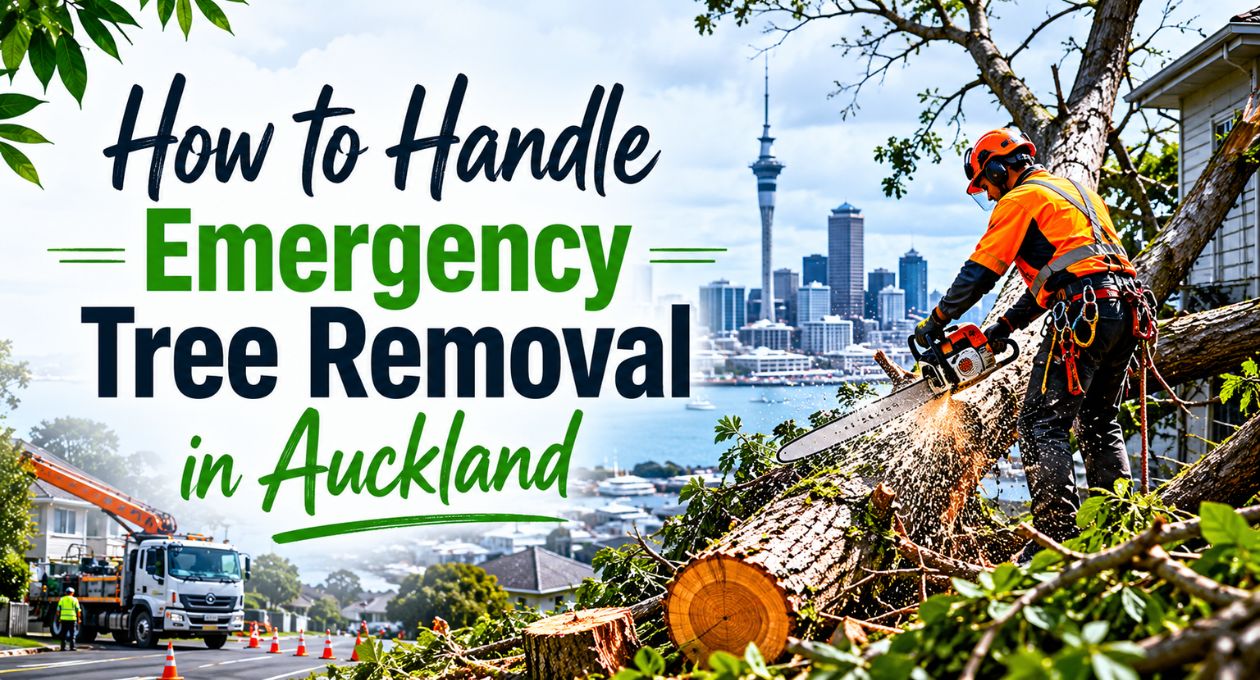
Storms leave a lot behind to deal with, especially when a tree comes crashing down overnight.
A fallen tree is a bigger problem than a standing one. It could block your driveway, parts of it leaning onto the fence, or worse, an entire trunk dangerously close to the house.
And the longer it stays there, the more difficult it is for you to step outside, resume your usual activities, or assess the situation by yourself.
At this challenging moment, the only people who can help you is an emergency response team that helps you with safe tree removal. They show up promptly, clean out the debris, and contain all the damage that could’ve been caused had the tree stayed there longer.
Learn how to respond safely to storm-damaged trees, understand when to call emergency tree removal professionals in Auckland, and protect your property after severe weather.
When a city like Auckland receives prolonged rain and strong winds (especially between June and September), even the healthiest trees become more susceptible to storm damage.
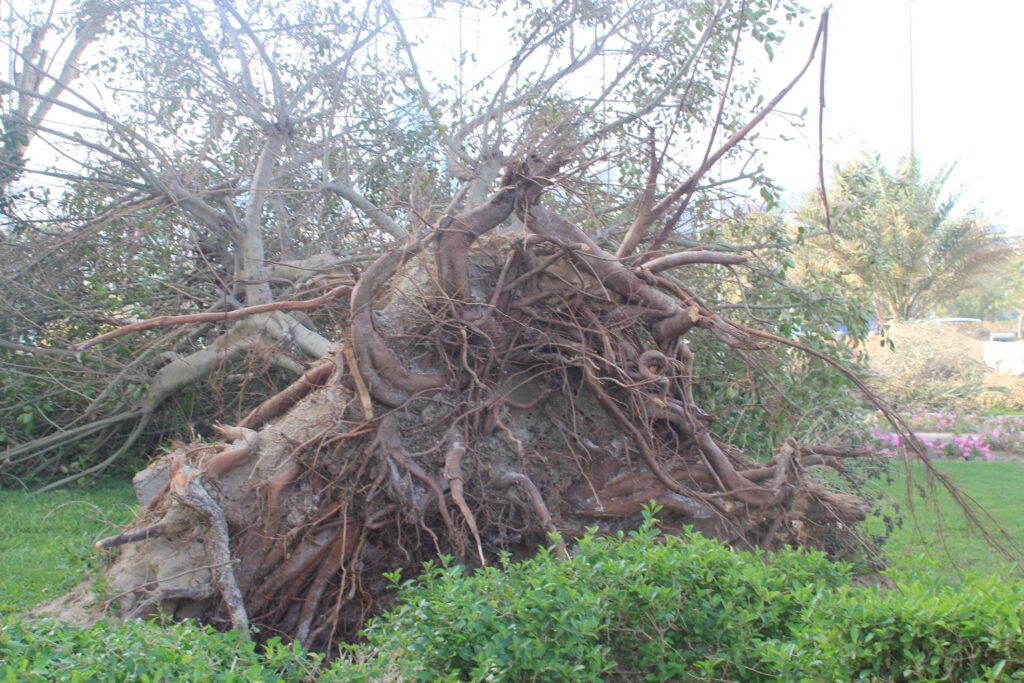
Excess downpour causes saturated soil that can destabilise already weakened root systems. But this makes room for subsequent damage, as many storm-hit trees do not collapse during the actual storm; they weaken silently and fall during the next windy day or heavy rain event.
Split trunks, cracked limbs, or partially uprooted trees may hold temporarily before suddenly giving way later.
And in some situations, it can include branches tangled in powerlines, lifted root plates that have not fully fallen yet, or large split canopies hanging over roofs, cars, or driveways. The internal fractures and shifting weight distribution of the tree may make it extremely unsafe to approach.
Whenever a tree requires immediate attention whether it’s fallen or on the verge to give up, 24/7 emergency arborists always stay on standby. Until a trained arborist auckland confirms that the area is safe, you may have to wait to access your property again.
There’s always an extent of damage that the storm can inflict on your trees, whether visible or invisible. Here’s what to do after a storm to contain the damage and safeguard your property:
Your first focus should be on maximising safety for your family, pets, and neighbours. Keep them well away from the affected area until you get a clear idea of the damage, ideally with the help of tree experts in Auckland. If you’ve got a fallen tree, severe weather can make it more unmanageable with the risk of shifting structural weight or hidden decay.
When the tree or its branches begin to touch the powerlines, it’s advised to not go anywhere near it. The line could be live, and it’s best to contact Vector immediately on 0508 832 867.
In case the tree has struck your home and caused structural damage, evacuate the property and call 111. Likewise, if a fallen tree is blocking a public road or creating a serious traffic hazard, contact tree removal experts for your rescue.
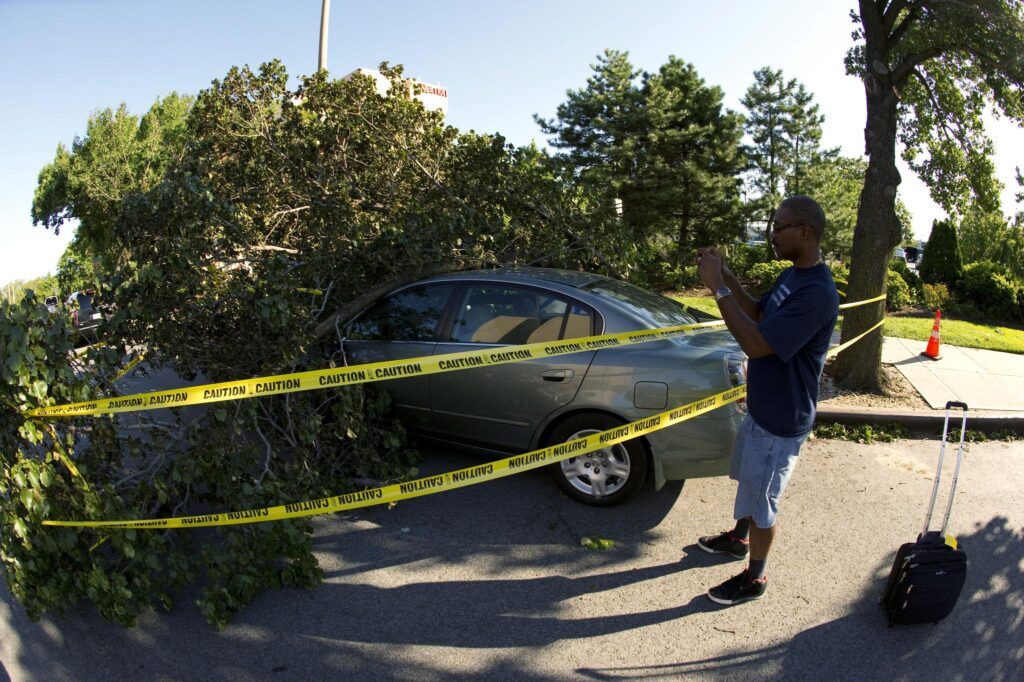
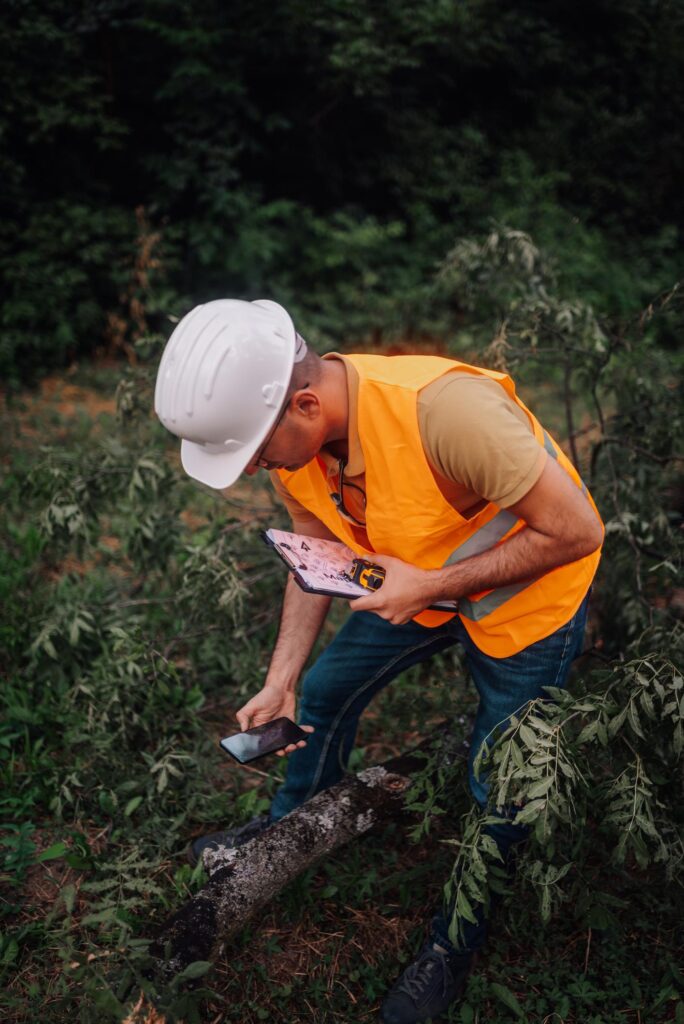
Once the area has been confirmed as safe by the authorities, document everything before cleanup begins. This step is important for insurance purposes, as most claims require clear evidence of the original damage.
Begin by capturing the fallen tree from multiple angles, including the point where the tree failed — whether at the base, trunk, or major limbs. Include any damage to fences, roofs, vehicles, sheds, driveways, or neighbouring property. If the branches touch powerlines, try to capture them from a safe distance without direct contact with the site.
Always take wide shots for overall context and close-up images for detail. Also, make sure that your photos include time and date stamps to make the evidence more conclusive.
Keeping records of emergency repairs, temporary accommodation, or arborist callout fees is also useful as these costs are generally claimable through your insurer.
Don’t call a general handyman or resort to DIY clean up with a chainsaw, vehicle, or rope — as this may result in injuries, further damage to the property, or worse, both.
Trained arborists in Auckland are experienced to assess your tree’s condition, whether the structural integrity has been compromised or the root system has become weak. With their proven methods of tree pruning or removal, you can avoid sudden collapse, property damage, or serious injury.
Generally, teams that offer 24/7 response services are the best to be considered here. They should also be fully insured, and must bring specialised tools to do the job.
Well, the answer is: sometimes. It depends heavily on your policy and the condition of the tree before the damage occurred.
The general rule followed in New Zealand is that if a tree falls onto an insured structure such as your house, fence, garage, or vehicle, the resulting damage is generally covered under your home or contents insurance policy.
However, coverage for the actual tree removal, lifting, cutting, and disposal differs between insurers and policy types.
Another point here is the health of the tree prior to the storm. Suppose the tree was already dead, diseased, visibly rotting, or poorly maintained before the storm did its job. In that case, insurers might cite negligence and decline partial or entirety of the claim.
To avoid this situation, regular tree care can help you prove that your trees were healthy before the storm, thus maximising your chances of getting your claims processed.
That’s why, calling a professional arborist for a written assessment or damage report is instrumental here. It can provide valuable evidence to support your insurance claim.
Auckland Council has certain protection rules in place, though there’s an important exception for genuine emergencies.
If a tree proves to be directly risky for people, property, powerlines, or public safety, you can proceed with the emergency work without waiting for resource consent. Generally, trees that pose an active risk are always the first issue to be paid heed to.
That said, you must notify Auckland Council as soon as possible after the emergency work has been completed, especially if the tree was protected or located in a regulated area.
However, not all storm-damaged trees automatically qualify as emergencies. For instance, if a tree has fallen but is stable and no longer poses an immediate hazard, consent requirements may still apply before removal work can continue; especially for protected trees.
By calling an experienced tree doctor, you can expedite the approval process as they can assess the level of risk, advise if consent is still required, and protect your property in lesser time.
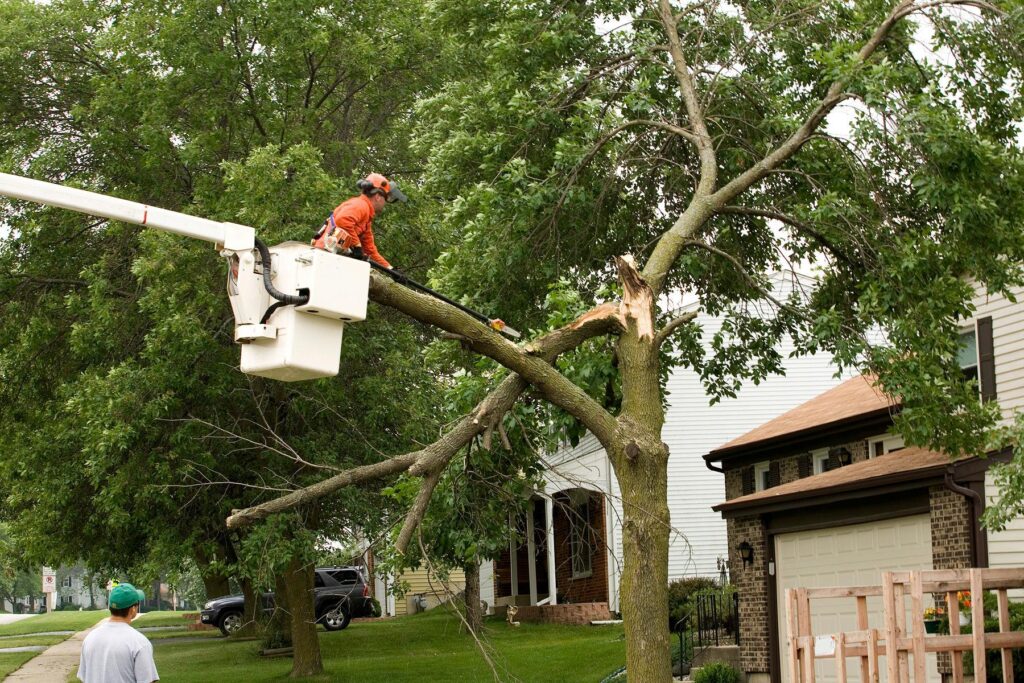
Storms are unpredictable, so the response has to be fast and managed. It’s best to call qualified professionals and stay far away from the danger zone.
Seeing a fallen tree across your driveway, roof, or fence is not something most homeowners know how to deal with calmly at the moment.
Thus, having the contact of a good emergency crew can help you stabilize the situation before things get worse. As trusted experts in tree removal auckland, we show up to your property on a priority basis, assess hidden risks, secure the area properly, and take the pressure off your shoulders.
Need urgent help? Get a free on-site assessment. We serve round the clock across Auckland with fully insured, qualified arborists. When push comes to shove, we’re your team.
Your first priority should always be safety. Stay away from the fallen tree, keep children and pets clear of the area, and avoid touching any branches near powerlines. If there is structural damage to your home or blocked public access, contact emergency services and a qualified emergency arborist immediately.
DIY tree removal is strongly discouraged, especially after storms. Damaged trees can shift unexpectedly, have hidden structural weaknesses, or involve electrical hazards. Professional arborists have the training, insurance, and specialised equipment required for safe emergency tree removal.
Insurance may cover storm-related tree removal if the tree damages an insured structure like your house, fence, garage, or vehicle. However, coverage depends on your individual policy and the condition of the tree before the storm occurred.
You should call an emergency arborist if a tree has fallen, is leaning dangerously, has split branches, damaged property, or is close to powerlines. Even trees that appear stable after a storm can collapse later due to weakened roots or internal damage.
In genuine emergency situations where a tree poses an immediate risk to people, property, or public safety, emergency work can usually proceed without prior consent. However, Auckland Council may still need to be notified afterwards, particularly for protected trees.
Regular tree maintenance such as pruning, health inspections, and removing weak or diseased branches can significantly reduce storm damage risks. Hiring a qualified arborist for routine assessments helps identify problems before severe weather strikes.