Tree Pruning
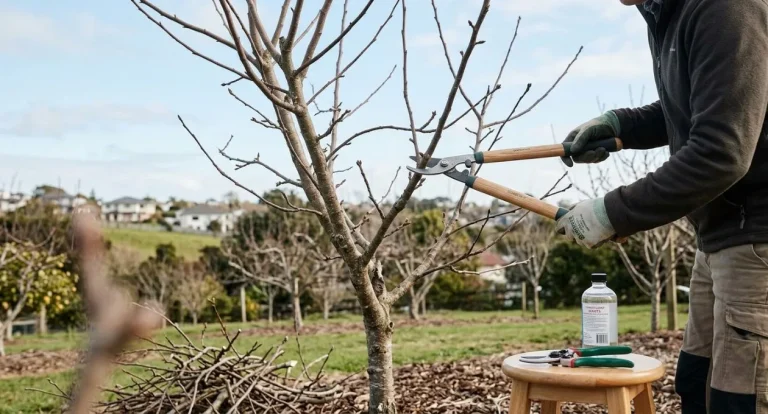
How to Prune an Apple Tree in Auckland
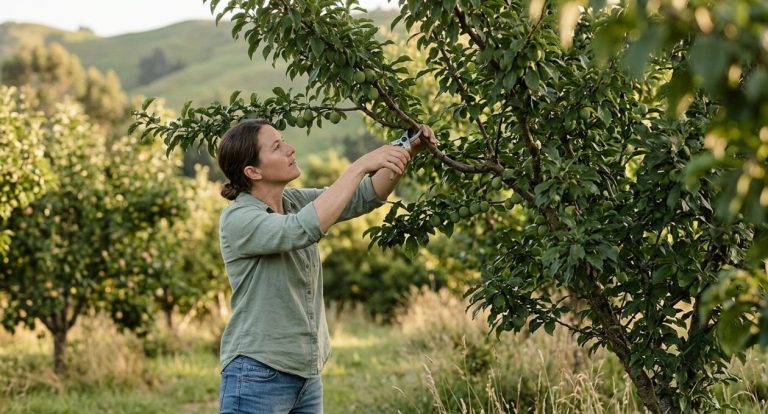
Apple trees rarely thrive on their own. Here is when to prune an apple tree in Auckland, the tools you need, a…
Read Guide How to Prune an Apple Tree in AucklandTree Pruning Auckland
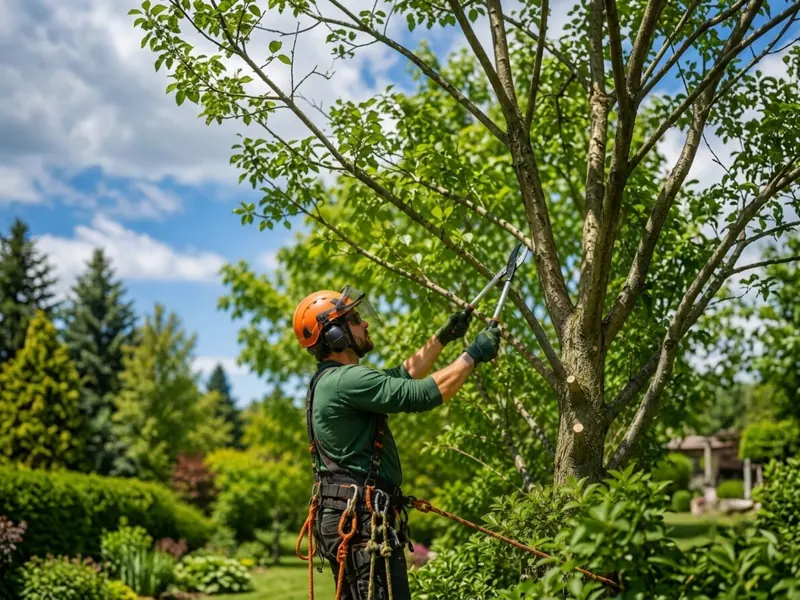
Level 4 certified arborists. Crown thinning, reduction, deadwooding and shaping — with every cut made to support healthy regrowth.
Why It Matters
Trees tend to thrive well under your care and Auckland’s pleasant weather. However, too much growth can start to become a problem — dense canopies blocking light, overgrown branches on the verge of falling, and expansive greenery taking up unnecessary space.
Pruning prevents diseases or damage from spreading into healthy parts of the tree and supports long-term growth.
Overhanging, weak, or crossing branches can become a liability if injury is caused to people on your property.
Branches growing near power lines need to be managed professionally to avoid hazards and comply with safety requirements.
A dense canopy can block natural light and close in your space. Regular pruning lets more sunlight through and restores views.
For ornamental and fruit trees, correct pruning encourages better flowering and stronger, more stable branches as they grow.
Removing weak or poorly attached branches ahead of storm season reduces the risk of breakage and damage during rough weather.
Scope & Methods
Pruning isn’t a one-size-fits-all job. The key is choosing the right method and applying it properly to keep your trees healthy and your space tidy.
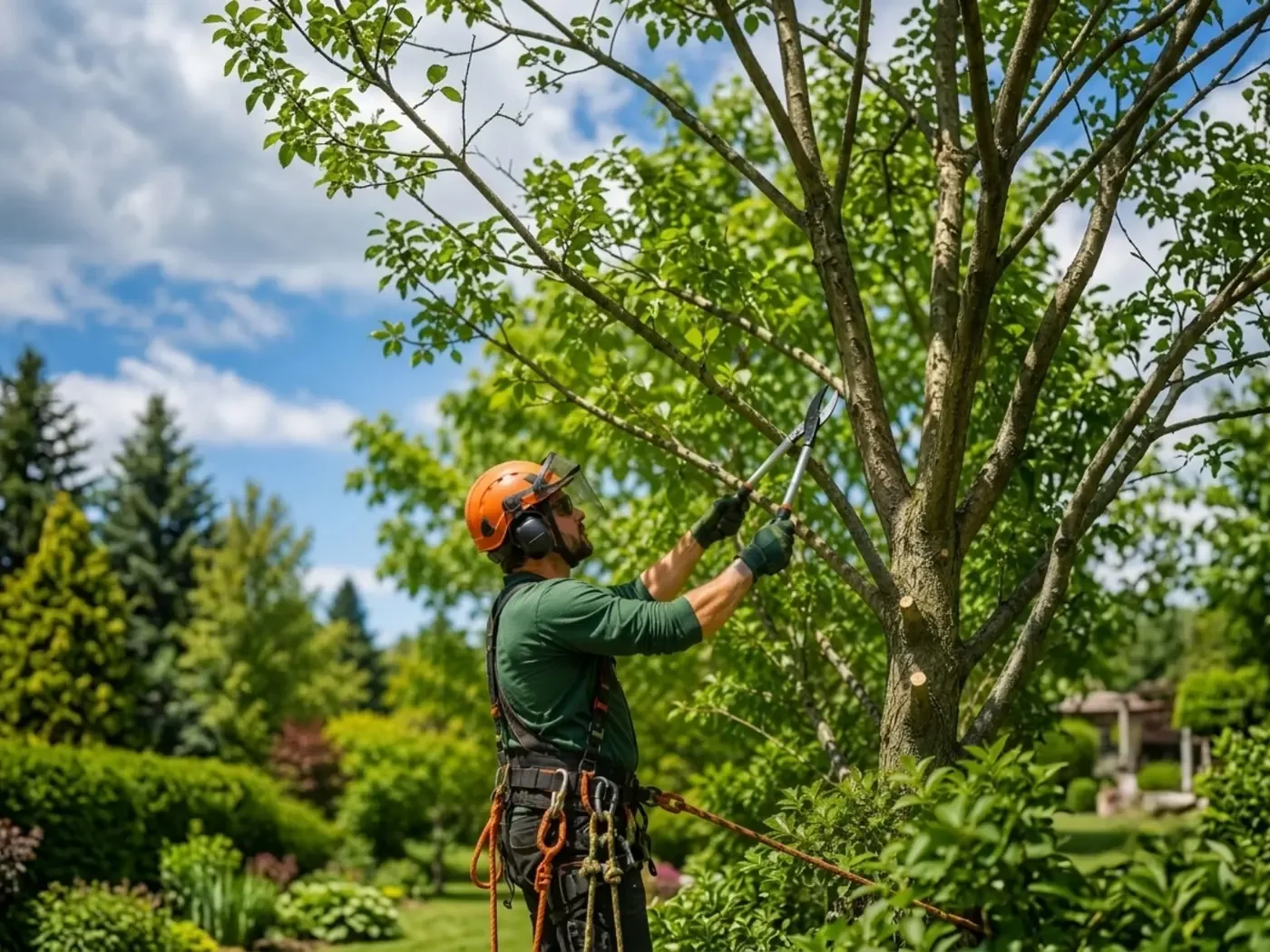
Selective removal of inner branches to increase sunlight penetration and air circulation. Also reduces stress on limbs from gravity and wind.
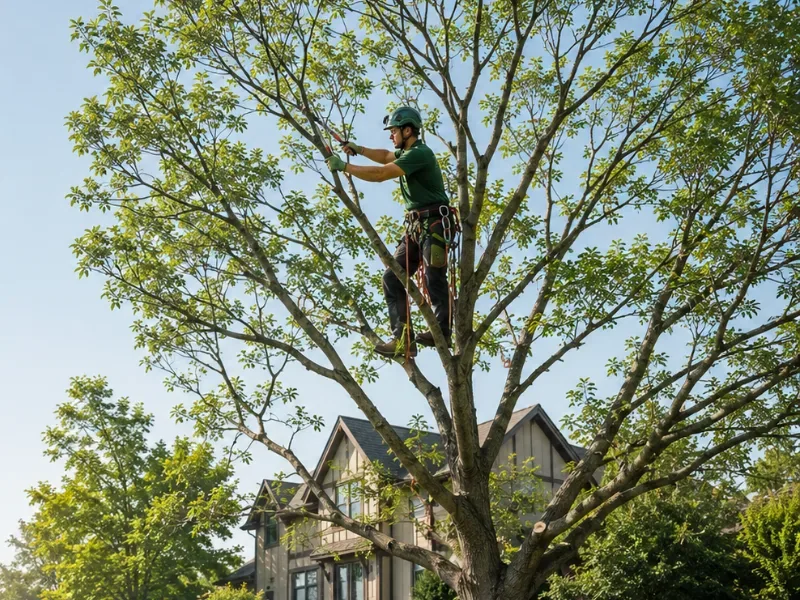
Lifts the bottom edge of the canopy to clear traffic, buildings, driveways or a view, without changing the tree’s overall shape.
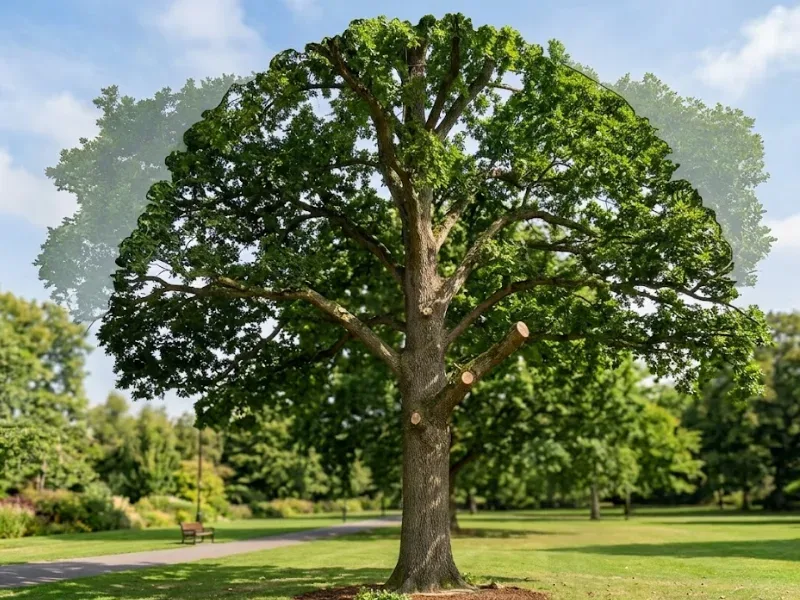
Generally used for older, more mature trees. Reduces overall size while keeping natural form — it can strengthen the tree and encourage new growth.
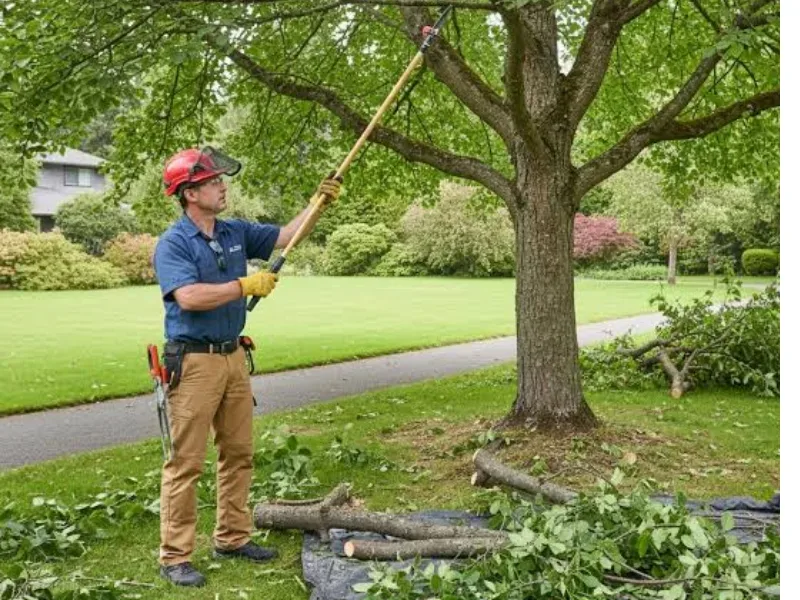
Removal of dead, diseased, damaged and crossing branches. Prevents decay spreading and reduces the risk of limbs falling.
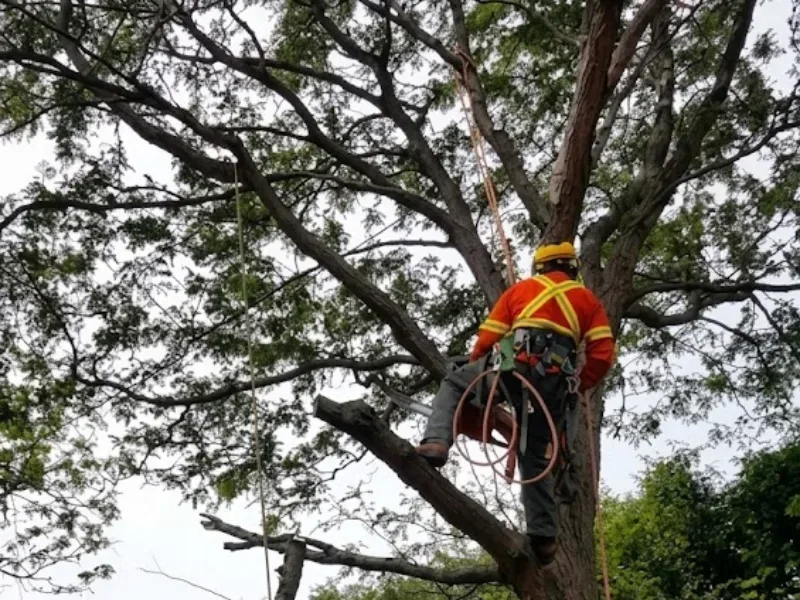
Carried out on younger trees as early intervention, guiding growth into a stable, healthy framework and avoiding long-term problems.
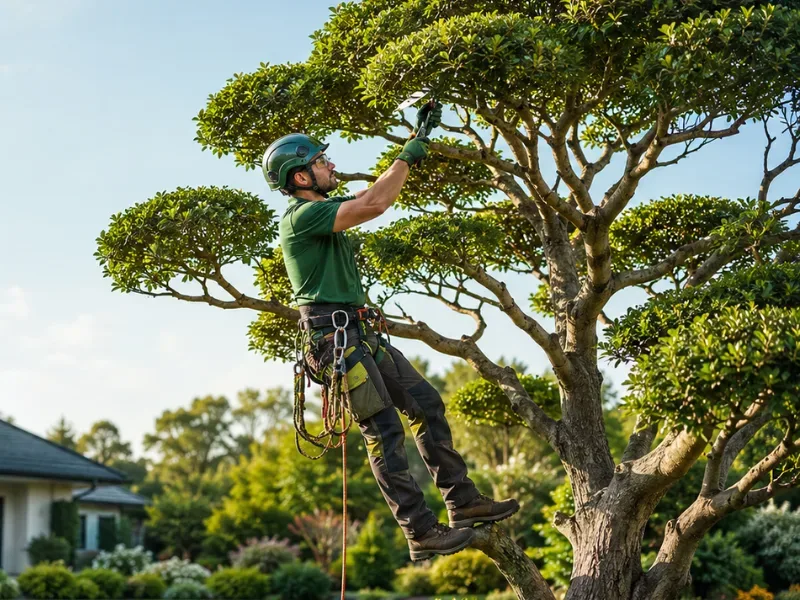
Techniques such as pollarding and shaping for visual impact, used for specific species or to achieve a particular look.
Kes can assess your tree and recommend the right approach during your free on-site quote. Species, age, health, structure and position all change what the right cut is.
Transparent Pricing
Pruning is priced on time, access and how much material comes out — not per tree. These are the factors that move the number.
Whether the work can be done off a ladder or needs a climber roped in changes the time and the crew.
A light deadwood is a different job to a full crown reduction on a mature tree.
Whether the chipper can get close, or every branch has to be carried out by hand.
How much material comes out, and whether you want the mulch left on site.
Trees close to power lines or buildings need extra rigging and controlled lowering.
Several trees in one visit is far more economical than separate callouts.
A site visit is required to quote pruning work properly — species, structure and access all change the method. You’ll get a clear quote upfront with the scope explained, so you know exactly what’s included before we start.
Simple 4-Step Process
From free assessment to a tidy finish — you know the scope before a single cut is made.
Kes assesses each tree’s species, age, health, structure and position, then recommends a method with a clear no-obligation quote.
The plan is finalised before work begins. You know exactly what will be done, why it is needed, and how it will be carried out.
Safety zones are established and the right gear set up. Each cut uses proper technique to support healthy regrowth.
All branches and green waste are chipped and removed. Mulch can stay on site if you want it — the area is left tidy.
Our Work
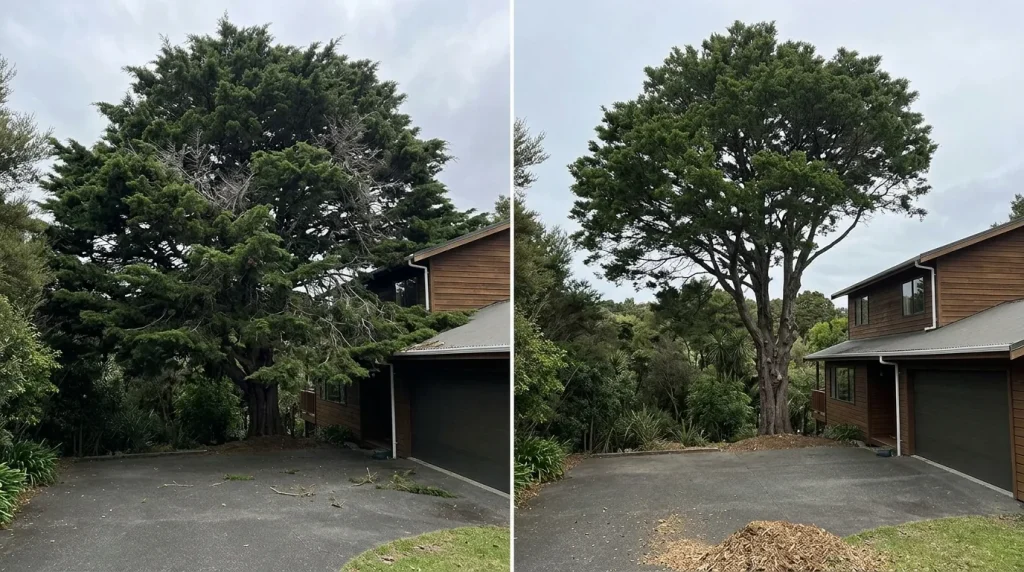
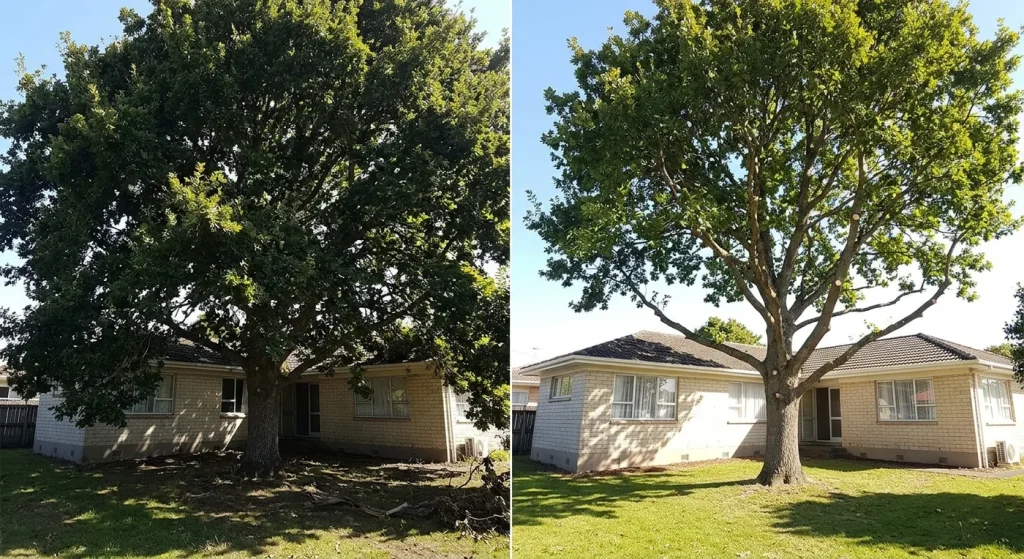
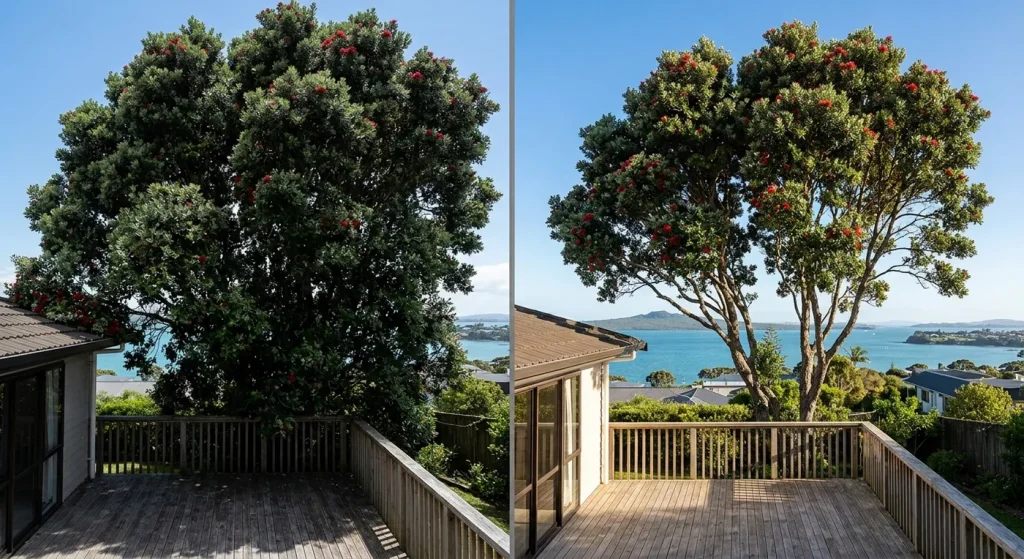
Crown work, deadwooding and shaping on residential and commercial properties. Select any photo to view it full size.
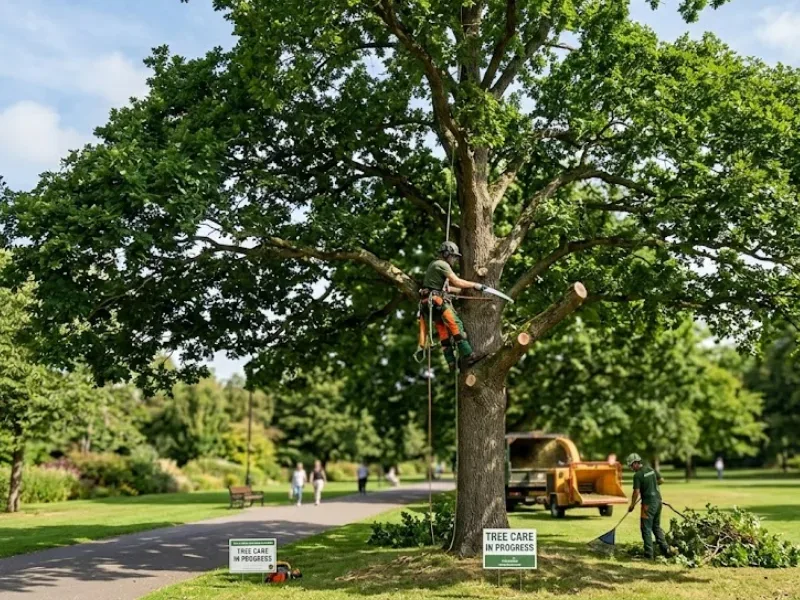
Every pruning job finishes the same way: branches chipped, green waste removed, site left tidy.
Proof of Work
Real Auckland pruning jobs, written up in full — the tree, why we pruned it the way we did, and how the property was left.
Tree Pruning Reviews
Showing reviews from tree pruning jobs only — not mixed in with our other services.
Kes delivered great service. He was able to do the work quickly, very efficiently and his price was excellent. I would use him for tree services again.
Trees that look right, stay healthy, and are easy to maintain going forward.
Decision Factors
The difference between a proper job and a poor one often comes down to technique, timing, and experience.
We’re a team of Level 4 certified arborists — New Zealand’s highest residential arborist qualification. Every pruning decision is backed by formal training and hands-on experience.
Poor practices like topping, flush cuts or leaving stubs expose a tree to disease, encourage decay and weaken structure over time. The damage isn’t immediate — it shortens the tree’s life.
What works for one tree may not work for another. Understanding how each species responds to pruning is key to maintaining health, structure and long-term stability.
Tree work involves risk. With an uncertified operator you may be left exposed. We’re fully insured and work to a documented JSA, so your property and surrounds are protected.
Some Auckland trees are protected under the Unitary Plan and work may require consent. We check the status of your tree and make sure the job is carried out within the rules.
A clear quote upfront with no hidden costs, and the scope explained so you know exactly what’s included before we start.
Common questions from Auckland homeowners and property managers about tree pruning.
Tree pruning helps maintain the health, safety, and appearance of your trees. It removes dead or weak branches, improves structure, encourages healthy growth, and reduces risks caused by overhanging or damaged limbs.
The ideal timing depends on the tree species. Deciduous trees are usually pruned during late autumn or winter, flowering trees after blooming, and fruit trees in late winter before new growth begins. Hazardous or damaged branches can be removed at any time. See our seasonal pruning guide.
Pruning is priced on tree size, the method required, site access and the volume of green waste — not per tree. Several trees in one visit is far more economical than separate callouts. A site visit is needed to quote accurately, and it is free. See what affects the price.
Yes. Proper pruning removes diseased, damaged, or overcrowded branches, helping improve airflow, sunlight penetration, and overall tree health while reducing the spread of decay or disease.
Most established trees benefit from a check every two to three years, while young trees being trained into shape and fast-growing species may need annual attention. Fruit trees are usually pruned yearly. We’ll tell you what interval your trees actually need rather than booking work that isn’t required.
Yes, branches growing near power lines can be professionally managed to reduce safety hazards and maintain proper clearance. Our team follows safe and controlled pruning practices for these situations.
We provide a range of pruning services including canopy management, crown thinning, crown reduction, deadwooding, structural pruning, and aesthetic shaping depending on the tree’s condition and your property needs. See our pruning methods.
Most routine pruning on private property needs no consent, but trees that are scheduled, in a Significant Ecological Area, or covered by a resource consent notice are protected — and that protection applies to pruning, not just removal. We check the status of your tree before any work begins.
It depends on the tree’s health, structure and position. Pruning is the right answer when the tree is sound and the problem is growth-related. Where a tree is dead, structurally failing or too close to a building to manage, tree removal in Auckland is the safer call. You’ll be told honestly which applies.
Yes, all branches and green waste are chipped and removed from the site after the work is completed. Mulch can also be left on-site if requested — just tell us when we quote.
Guides & Advice
Practical advice from our arborists on pruning technique, seasonal timing and keeping Auckland trees healthy.
Apple trees rarely thrive on their own. Here is when to prune an apple tree in Auckland, the tools you need, a…
Read Guide How to Prune an Apple Tree in AucklandWhile a plum tree doesn’t need constant attention to thrive, it does benefit from the right care at the right time. One…
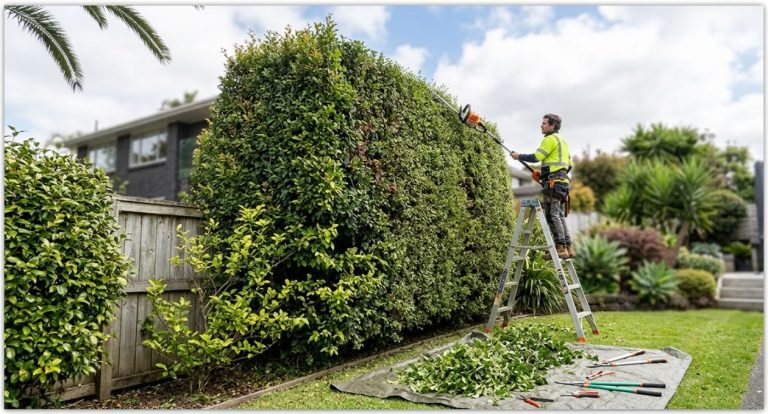
Read Guide When to Prune Plum Trees NZMost people don’t notice a hedge becoming overgrown until it starts disrupting their normal life. It blocks out sunlight, spills over pathways,…
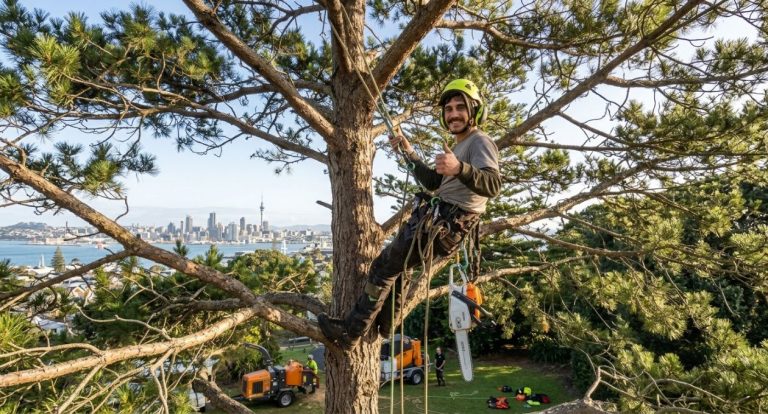
Read Guide How to Trim Overgrown Hedges The Right WayTrees are like gifts that keep on giving; bearing fruit, offering shade, and uplifting a property with their mere existence. But every…
Read Guide What Is an Arborist and When Should You Hire One?Free, No-Obligation
Every tree is approached individually, so the result feels balanced, looks right and stays easy to maintain. Tell us what you need and we’ll assess it free of charge.
Pruning is the care your trees need to grow in a healthy and safe manner while complementing your property. We focus on guiding growth with purpose, improving structure, managing canopy density, and removing what no longer supports the tree or your space. Each tree is approached individually, so the result feels balanced, looks right, and remains easy to maintain going forward.
Guiding growth with purpose — not just cutting branches.
Get My Free QuoteFree on-site assessment across East, South and West Auckland. No obligation, no pressure.
Our team works across Auckland, covering a wide range of suburbs and property types, from residential homes to large commercial sites.
A few quick details, then our number. If we miss your call, we will ring you back.
Taking you to our number now…