2026-07-23

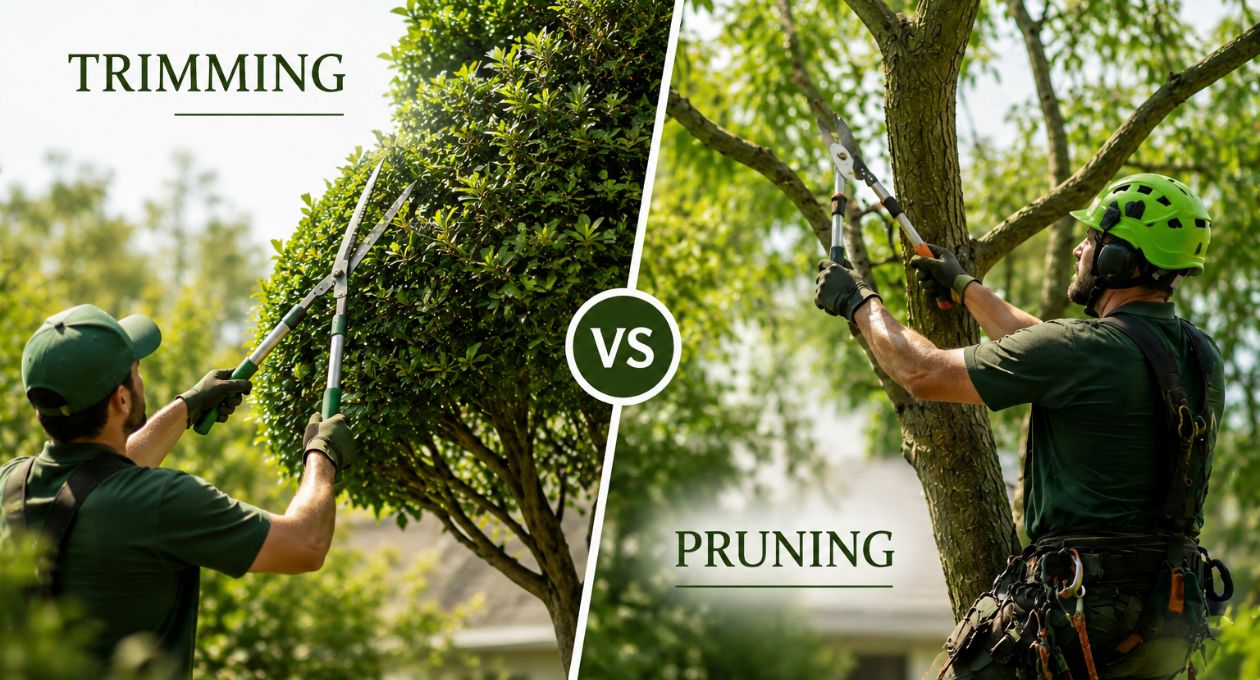
A little grooming sesh for your trees always pays off in the long term. You get to maintain their structure, extend their life, and make them look better than before.
But what if there are two ways to achieve these goals?
Tree trimming and pruning help you manage your tree health and overall growth. Whilst being different, it’s easy to confuse the two and get stuck on deciding which one you actually need.
Both techniques are carried out for different reasons and outcomes. For example, if your tree has weak branches or sections with poor leaf growth, pruning is the best way to go about it.
This blog leaves you knowing more on how pruning and trimming vary and which one of them applies to your tree.
There’s no better choice between tree pruning and tree trimming; it simply depends on what your tree needs. Pruning is done for the tree’s health, safety, and structure, while trimming is mainly about appearance, shape, and size control.
Pruning is like surgery, targeted, purposeful, and health-driven. Trimming is more like a haircut, regular maintenance to keep the tree neat and under control.
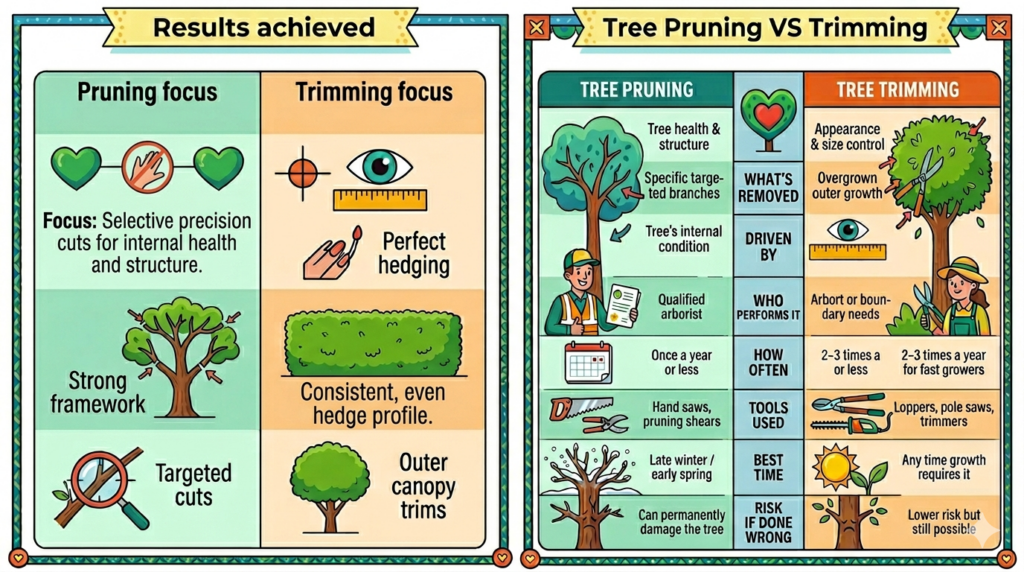
Tree pruning is the selective removal of specific branches to improve a tree’s health, safety, and long-term structure. Pruning isn’t just decorative, but functional as it focuses on carefully chosen branches identified by an arborist.
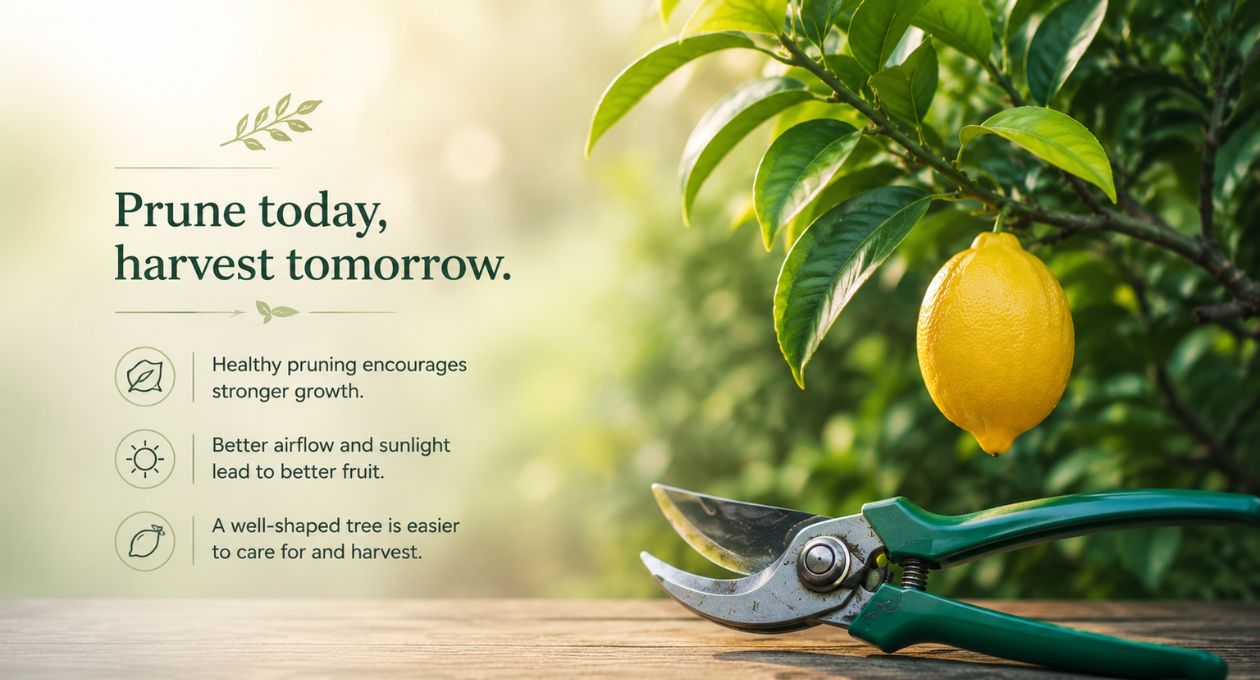
Effective pruning removes dead, diseased, dying, or structurally weak growth before it becomes a larger problem. Pruning also improves airflow and sunlight through the canopy, reduces the risk of branch failure during Auckland’s storm season, and encourages stronger, healthier growth over time.
Incorrect cuts can permanently damage, or even kill a tree. That’s why it should always be handled by a qualified arborist. Many Auckland trees, especially mature natives and older exotics aren’t easy to maintain with DIY cutting and require a proper prune to restore both safety and health.
The objective of tree trimming is to control a tree’s size, shape, and overall appearance. It includes cutting back overgrown outer branches and foliage to keep the tree neat, balanced, and within safe boundaries.
Now, trimming is carried out to stop branches scraping roofs, blocking light, hanging over driveways, or growing too close to fences, powerlines, and neighbouring properties. With Auckland’s warm and wet weather conditions being conducive to rapid tree growth, regular trimming becomes necessary to keep gardens manageable and tidy year-round.
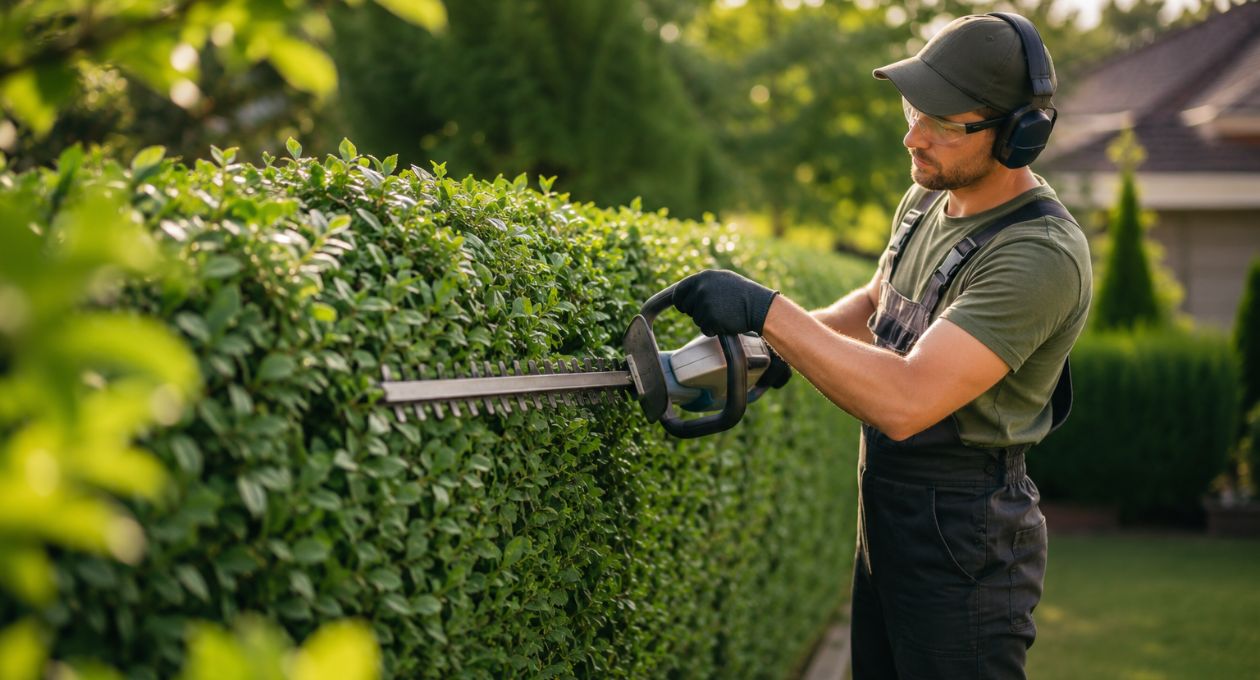
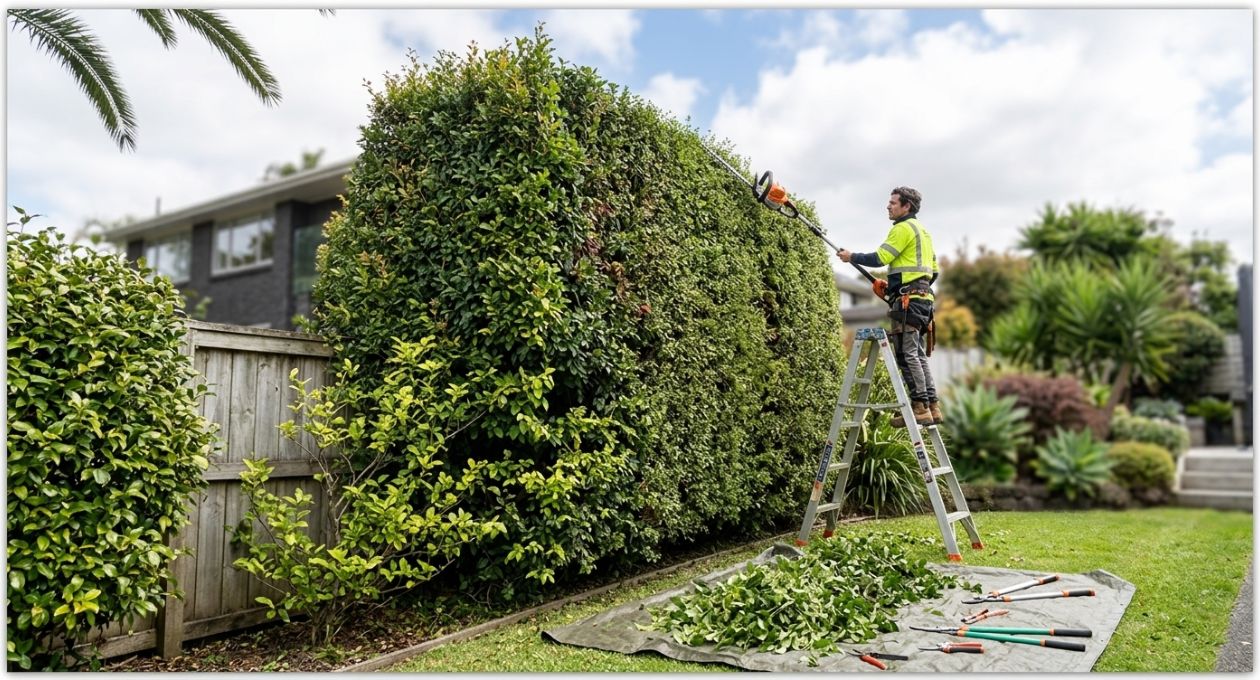
Have outgrown hedges too? Check out our hedge trimming Auckland.
Pruning and trimming both serve important purposes; they just solve different problems. You likely need pruning if your tree has dead or bare branches, fungal growth, unusual bark, crossed branches, or looks structurally unbalanced after storms.
Trimming is usually the right choice when branches are overhanging your roof, blocking light, growing into powerlines, or simply becoming messy and overgrown while the tree itself still appears healthy.
In many cases, especially with older or neglected trees, the answer is both. And if you’re genuinely unsure, that’s completely normal — the best next step is to have a qualified arborist assess the tree properly rather than guessing based on appearance alone.
A tree may also be overgrown but have dead, diseased or structurally weak branches. When this happens, trimming will help return it to a manageable state, while pruning is used to remove the damaged parts that pose danger to the tree’s health and structure.
For one thing, an experienced arborist should always make an initial assessment of the situation, and then do both processes if necessary. For another, engaging an experienced arborist is always better than hiring just any gardener since the former can easily see health issues beyond the appearance of the trees.
Late winter to early spring is generally the ideal time to prune your trees in Auckland. Trees are preparing for new growth, wounds recover faster, and pests and diseases are less active than they’re during warmer months. So as best practice, heavy pruning in summer is avoided for many tree species, as fresh cuts can attract disease or put additional stress on the tree
Tree trimming is more flexible and can usually be done throughout the year. However, it’s still ideal to avoid trimming immediately before or after major growth flushes, as trees need time to stabilise and recover properly.
It’s important to note that not every tree species adapts to the pruning or trimming during the same season. Hence, an expert opinion from a tree surgeon auckland can help you with your best approach.
A few overgrown branches may not seem like a big problem, but they can turn into a damaged roof, an unstable tree, or a blocked driveway.
To prevent that from happening, we can help you with maintaining your tree with professional tree pruning service. Before suggesting any method, our team drops by your property for a free on-site assessment.
By spotting disease, structural weakness, storm risk, or poor growth patterns, we identify the areas to cut, how much to remove, and how to make up for the lost tree health caused by poor trimming practices.
Led by a level-4 certified arborist Kes, we’re a fully insured team bringing specialised equipment and safety systems to secure your home, fences, driveway, or neighbouring properties across South, East, and West Auckland.
Not sure what your trees need? Leaf it to us! Get a free on-site visit and we’ll guide you with an upfront, transparent quote.
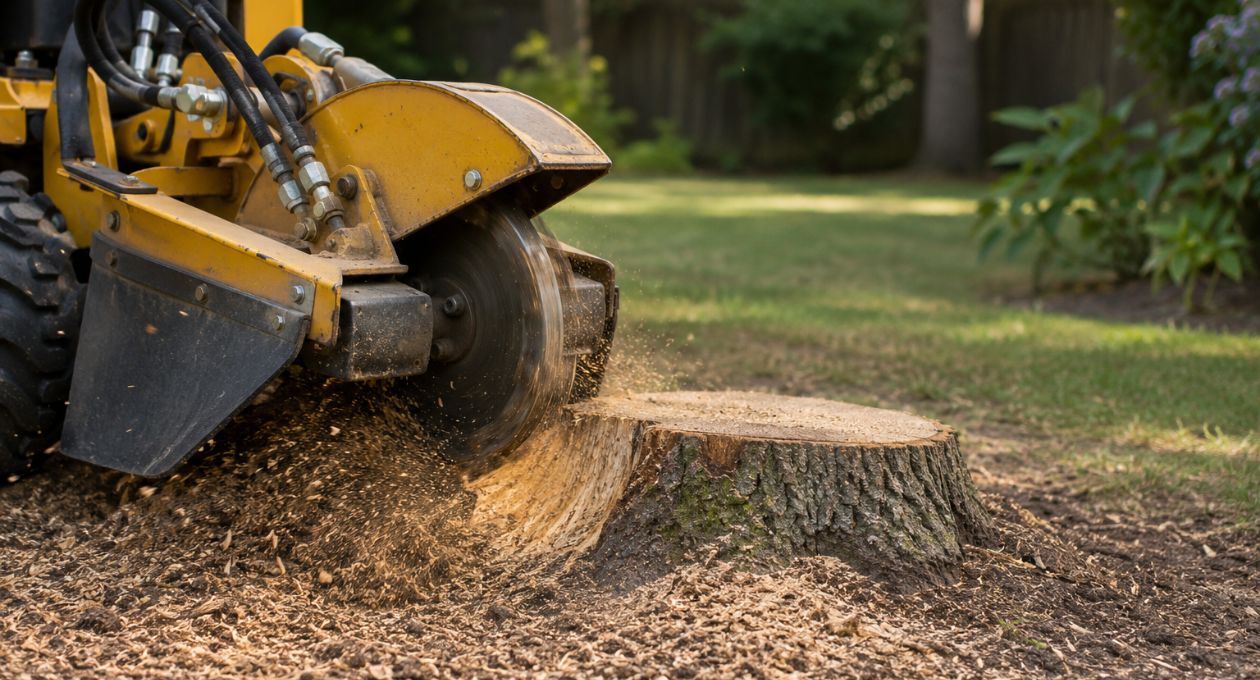
Tree pruning focuses on improving a tree’s health, structure, and safety by removing dead, diseased, or weak branches. Tree trimming is mainly done to maintain the tree’s shape, size, and overall appearance by cutting back overgrown foliage and outer branches.
If your tree has dead branches, poor growth, storm damage, or structural issues, pruning is usually required. If the tree is healthy but looks overgrown, blocks sunlight, or extends over roofs and driveways, trimming is often the better solution.
Yes. Many older or neglected trees require both services. Trimming helps control excessive growth, while pruning removes unhealthy or unsafe branches to improve the tree’s overall condition and safety.
Late winter to early spring is generally the best time for pruning, as trees recover faster and pests are less active. Tree trimming can usually be done throughout the year, depending on the tree species and growth conditions.
DIY pruning can be risky, especially for mature or large trees. Incorrect cuts may damage the tree permanently or create safety hazards. A qualified arborist can assess the tree properly and use the correct techniques for safe and healthy results.
A qualified arborist can identify hidden issues such as disease, structural weakness, or storm risks that may not be visible at first glance. They also use professional equipment and safe pruning methods to protect your property and improve the long-term health of your trees.