2026-06-30


When life gives you lemons…it simply means you’ve got a thriving lemon tree growing in your garden. Isn’t that great?
With all the work your lemon tree does, it deserves more care and attention; which means more than harvesting fruit and admiring it from the kitchen window.
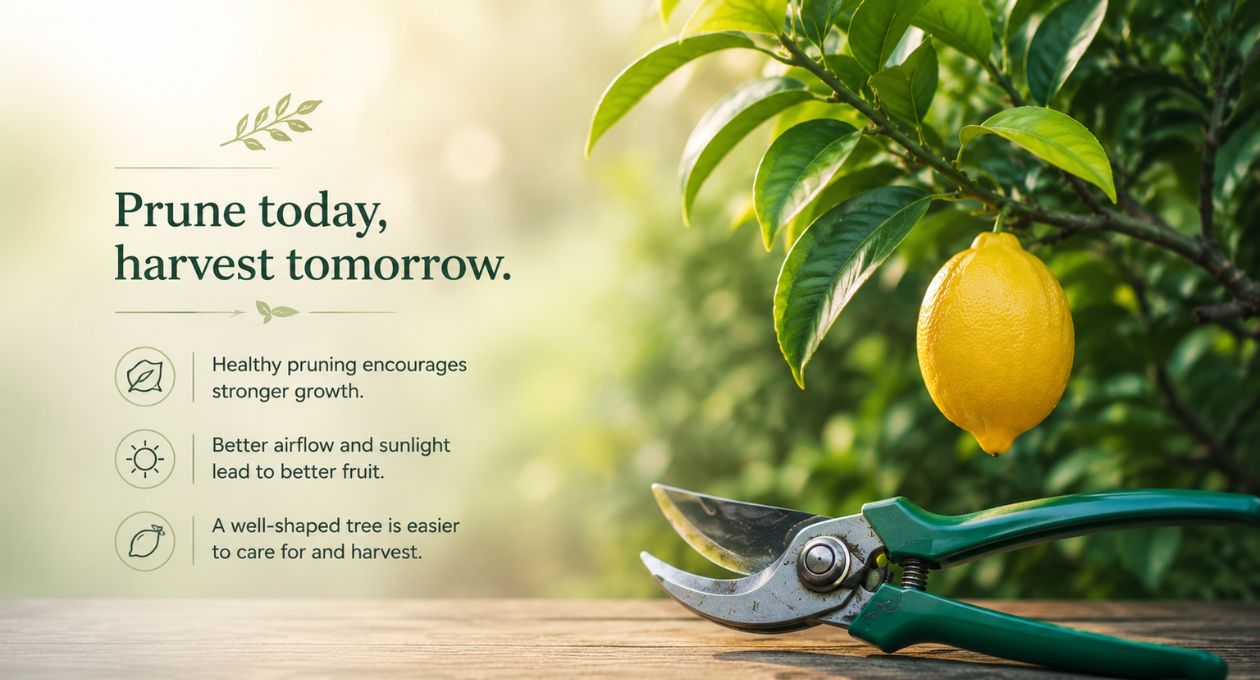
Like most fruit trees, pruning helps your lemon tree stay healthy, grow stronger, and encourage better quality fruit growth. Regular pruning can remove overcrowded or unproductive branches, letting more airflow and sunlight — all while keeping the tree easier to manage.
In this blog, we’ll be guiding you to prune your lemon tree and keep it in shape without overcutting it:
The ideal time to prune a lemon tree is from late winter to early spring here in Auckland, depending on weather conditions typically after fruiting has finished and before the next major growth period starts.
This timing allows the tree to recover and direct energy into healthy new growth, so you can experience better fruit growth and healthier branches.
There are obvious signs that tell if it’s the right time to prune your lemon tree:
Not all pruning jobs are the same, and you might want to get a checklist for any tools and equipment before making the first cut.
The reason is that precision matters when pruning a lemon tree. Random cuts on wrong branches can trigger an unwanted response or cause the tree to take unnecessary stress, which might take longer to subside.
Start by taking a pair of clean, sharp secateurs for removing smaller branches and creating neat cuts that heal faster. For thicker or older growth, pick loppers for better control and safe cutting. Keep away blunt tools as they can make cuts that are harder to recover from.
You can also choose to wear gardening gloves and basic protective gear, as lemon trees can have sharp thorns and dense branching.
Pro tip: While procuring the tools, make sure they are all neat as dirty blades can spread disease from one cut to another..
The point here is to prune for function and health, and not just aesthetics. Given the condition of your lemon tree, gradual shaping fares better than one-time heavy cutting.
Identify weak branches and parts that are not involved in fruit-bearing. You can look out for dead wood or broken joints that take energy away from productive areas and increase the risk of disease spreading. When you remove these branches, you can open up airflow and sunlight while supporting your tree’s structure.
Once you do away with unhealthy growth, give the canopy a look. See how dense it is, and check if any branches are crossing over each other or growing inward. Removing these branches can relieve excessive congestion inside your lemon tree, while letting good airflow and sunlight reach the centre of the tree. Don’t focus on making the tree look as sparse as possible, it’s just to open the canopy enough for light and air to move through comfortably.
Suckers are the fast-growing shoots that emerge from the lower part of the trunk, while water shoots grow rapidly upward from established branches. Now, these shoots may look healthy, but they have parasitic tendencies; they end up competing for energy without contributing much to fruit production. You can remove them and encourage healthier tree growth for the future.
Now that all problems are addressed, it’s time to shape the tree for a balanced structure. Try to focus on cutting that creates a manageable canopy with evenly spaced branches. Also avoid removing too much at once, as extensive cutting can lead to rapid regrowth and can temporarily reduce fruit production. Especially for your first time, your safest bet is to cut as less as possible, then assess later.
Lemon trees only need light pruning once or twice annually, and they’ll stay healthy and manageable throughout the year.
Any unwanted growth can be managed with regular pruning, while overgrowth or prolonged negligence sometimes demand heavier corrective pruning.
So, if your lemon tree hasn’t been pruned in years, it would be best to improve it gradually over multiple seasons, as dramatic cuts all at once might impact its health negatively.
It’s easy to think that pruning a lemon tree can be simple, but when you’re faced with a bunch of overly grown branches thinking which parts need to be cut, the job may become complicated. Over-pruning, improper pruning timing, or poor tree shaping will certainly impact the future development and productivity of your lemon tree.
If your lemon tree requires pruning for any reason, whether for a routine annual cleaning, corrective pruning, or restoration after years of neglected care, a qualified arborist Auckland can make a noticeable difference.
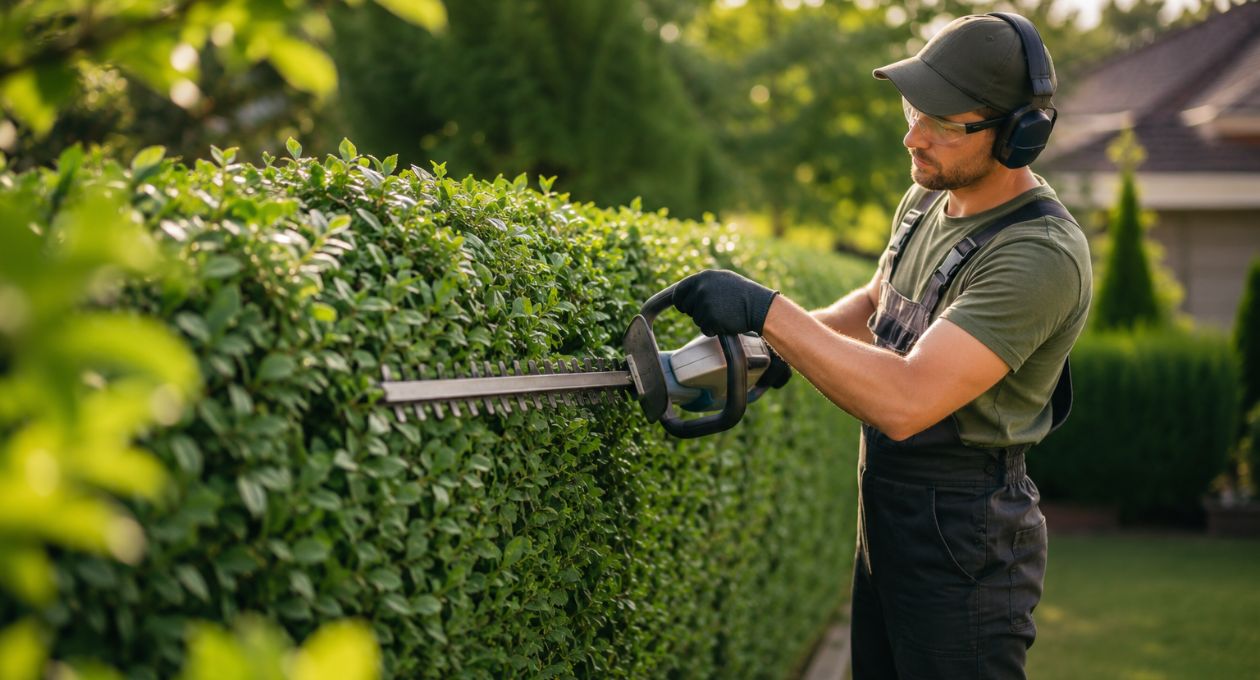
Need expert hands on your lemon tree? Our team can help bring your lemon tree and the rest of your garden back into shape. As Level-4 Arborists serving Auckland, we offer reliable tree pruning services for residential and commercial properties. From lemon tree pruning to hedge trimming, we help improve plant health, structure, safety, and overall garden appearance.
Get your lemon tree checked by certified tree doctors (CTA). Call us at +64 21 102 0360 or leave a message.
The best time to prune a lemon tree is from late winter to early spring, typically after fruiting has finished and before the next major growth period begins. This allows the tree to recover and direct energy into healthy new growth.
A lemon tree may need pruning when the canopy becomes crowded, branches start crossing over each other, dead wood becomes visible, or harvesting fruit becomes more difficult.
For pruning a lemon tree, you should use clean, sharp secateurs for smaller branches and loppers for thicker growth. Gardening gloves and protective gear are also recommended due to thorns and dense branching.
Yes. Suckers and water shoots consume the tree’s energy without contributing significantly to fruit production. Removing them helps encourage healthier growth and better fruit development.
Most lemon trees only require light pruning once or twice a year. Trees that have been neglected for several years may require gradual corrective pruning over multiple seasons.
Yes. Over-pruning, pruning at the wrong time, or poor tree shaping can affect the tree’s health, reduce fruit production, and lead to excessive regrowth. This is why many homeowners choose professional tree pruning services for larger or overgrown lemon trees.