
Length, height and faces
A 20-metre hedge cut on three faces is three times the work of one cut on a single face. Anything over head height needs platforms or a lift.
Hedge Services
Trimming and shaping for hedges worth keeping, and full removal with root extraction for the ones that are not. Arborist-led, so the species is treated the way it actually grows.
Our Hedge Services
Two services, and the honest advice about which one you need. Each page sets out the full method, timing and what is included.
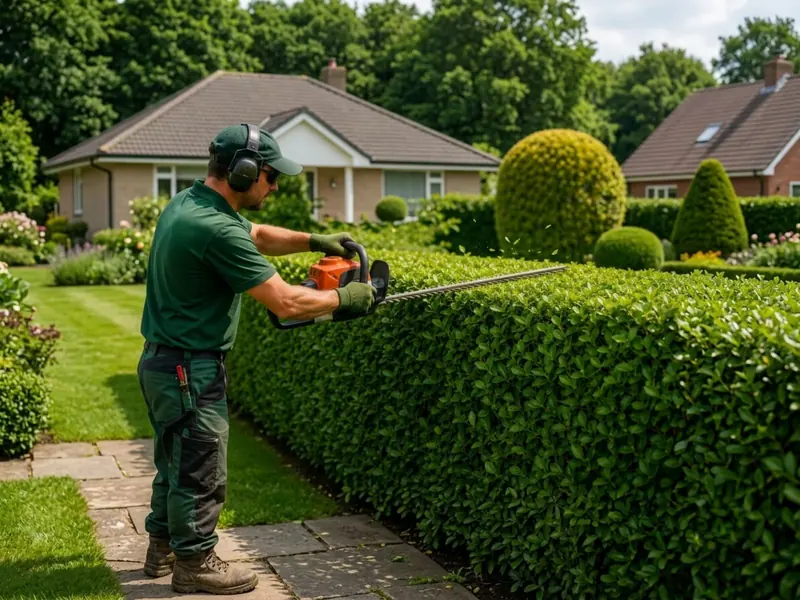
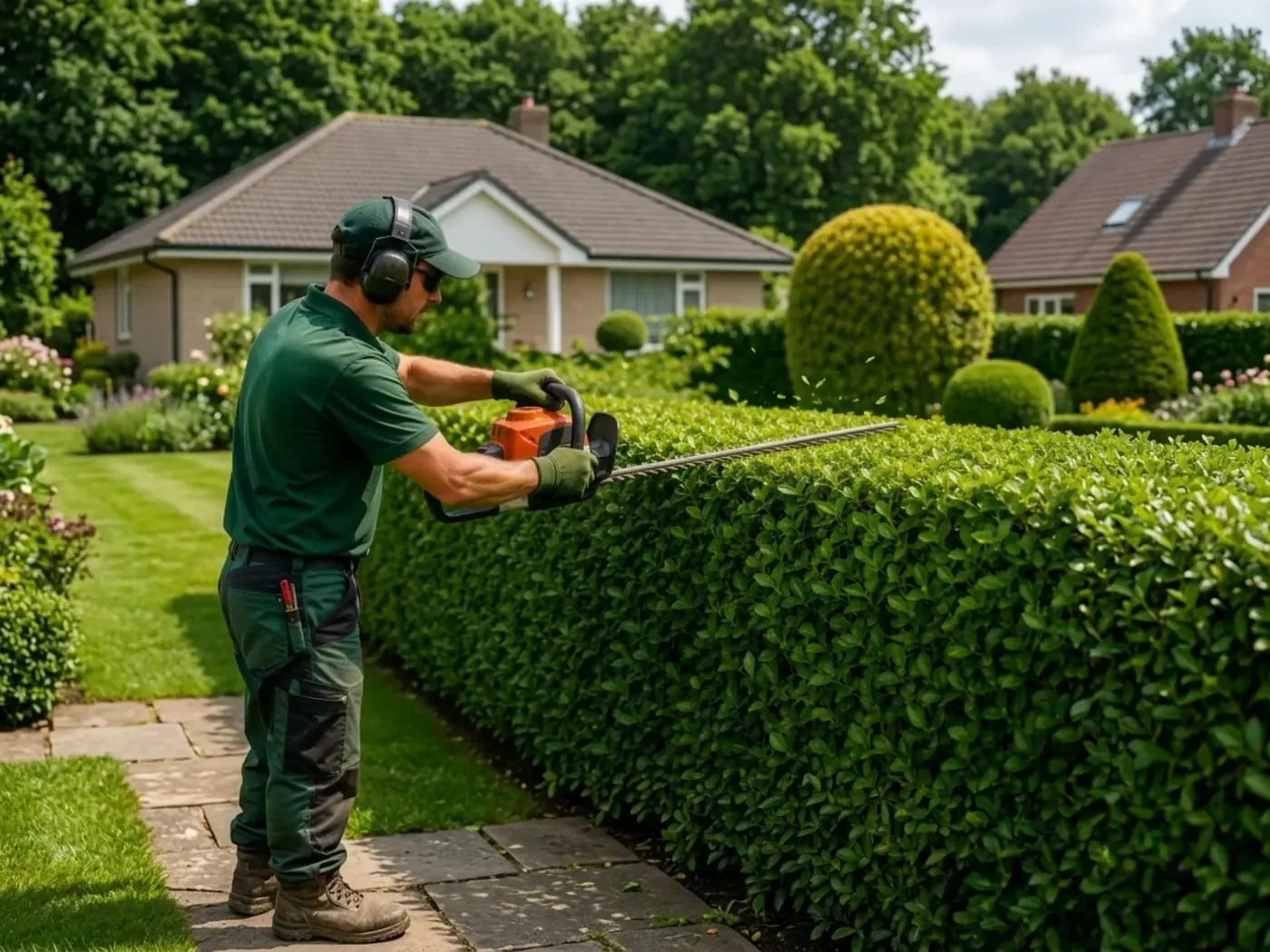
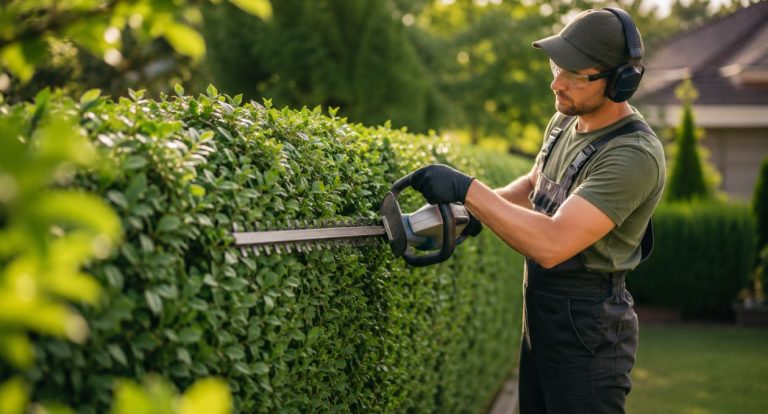
Formal and natural shaping, height and width control, and renovation of hedges that have been left too long. Cut to the species and the season, with every clipping removed.
Complete removal including root extraction, so nothing regrows through the new lawn or bed. Ground reinstated and levelled afterwards if you want the space usable straight away.
Species Guide
Trimming frequency is a property of the plant, not the calendar. These are the six species we meet most across Auckland, and roughly what each one asks for.
Auckland’s default hedge, and for good reason — fast, glossy, and tolerant of coastal wind. That speed is the catch: two cuts a year, or it thickens and shades out its own base.
Fine-leaved and forgiving, and it takes a crisp formal edge well. One or two cuts a year is usually enough. Avoid cutting hard back into bare wood — it is slow to reshoot from it.
Slow, dense and mostly used for low borders and parterres. One cut a year holds it. Watch for box blight in humid Auckland summers — thinning it slightly improves airflow.
The fastest grower and the least forgiving. Two to three cuts a year, and never cut back past the green — conifers do not reshoot from brown wood, so a hard cut leaves a permanent hole.
Grown for the red flush on new growth, which means trimming actually drives the colour. Two or three light cuts a year keep it bright rather than leggy and green.
A flowering hedge, so timing matters more than frequency. Cut once, straight after flowering finishes — trim it in late winter and you remove the whole season’s buds.
What Drives the Price
Hedges are priced by the metre only in the simplest cases. These are the factors that actually set the number.
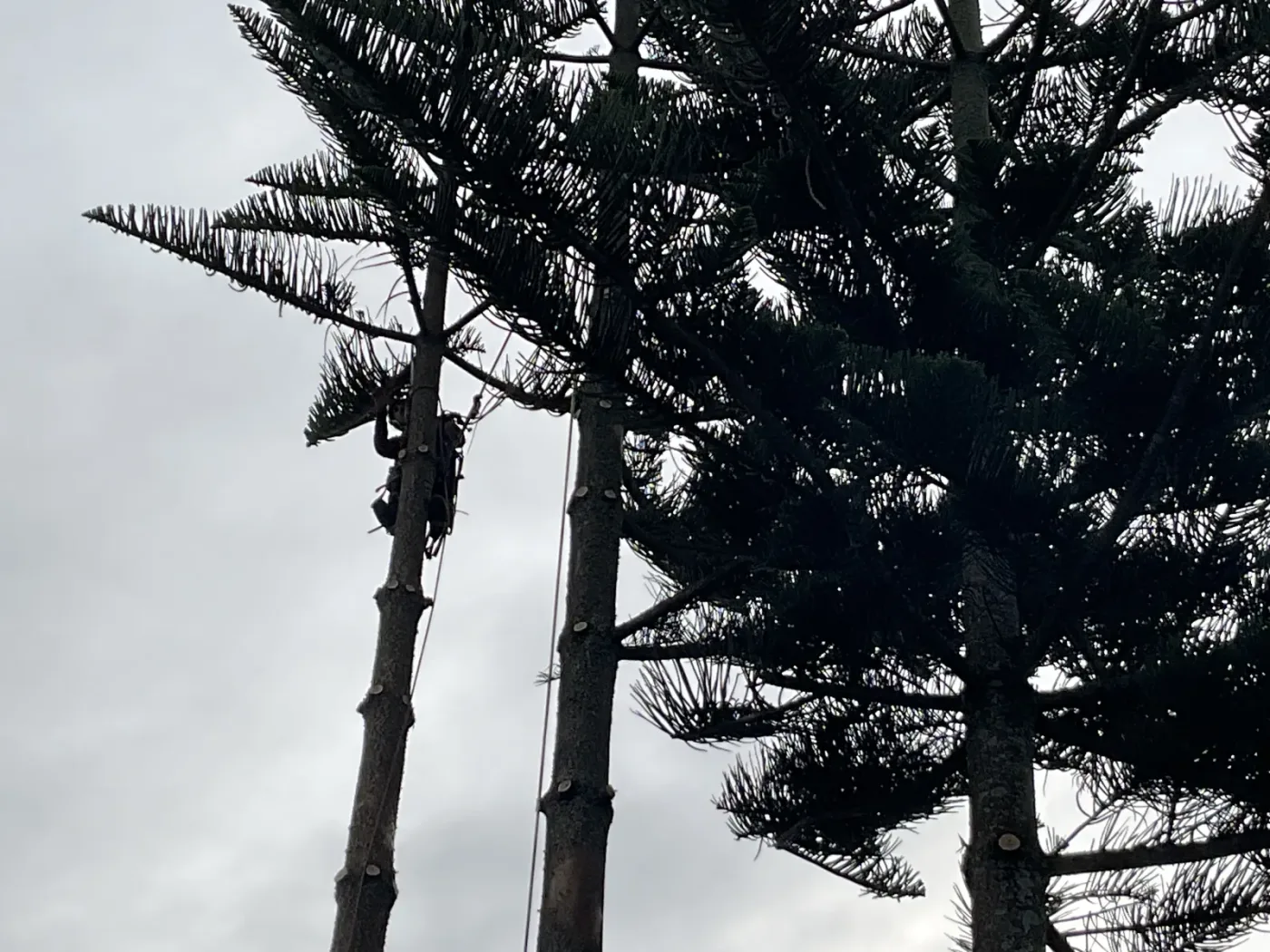
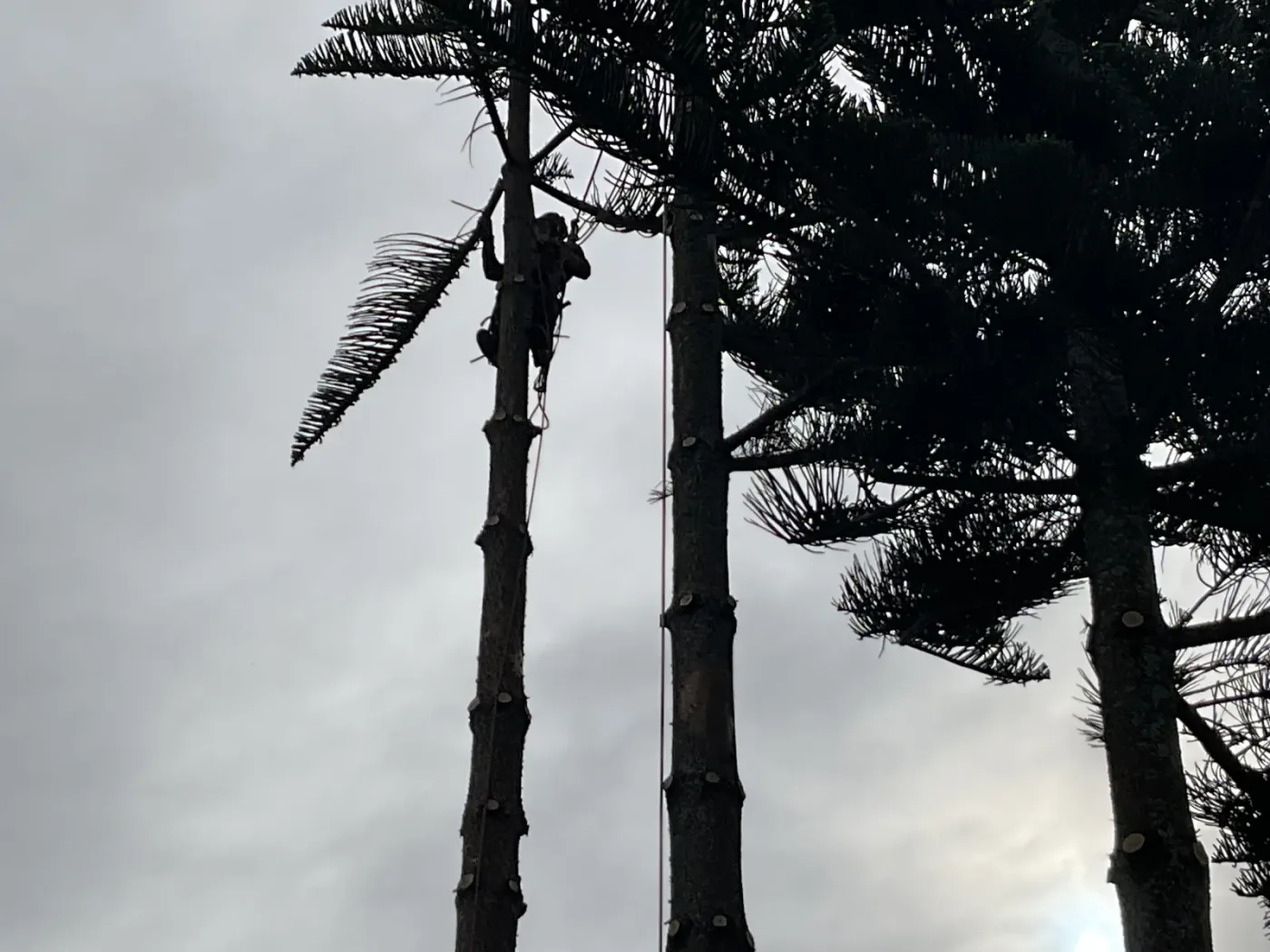
A 20-metre hedge cut on three faces is three times the work of one cut on a single face. Anything over head height needs platforms or a lift.
A hedge on an annual round is quick. One left four years produces far more waste and may need renovation over two seasons.
Conifer and griselinia generate serious bulk. Volume of green waste to remove is often the largest single line in a hedge quote.
Clippings carried through a house or up a bank cost more than clippings dropped straight into a chipper on the drive.
Extracting roots is what separates a removal from a cut-to-the-ground. Machine access decides whether that is an hour or a day.
Booked maintenance is cheaper per visit than a one-off rescue cut, because the hedge never gets far enough away to need one.
Why Us
Most hedge damage we are called to fix was done by someone cutting the right shape at the wrong time, or into wood that was never going to reshoot.
Level 4 certified, with formal training in plant biology. We know which species reshoot from bare wood and which never will.
Flowering hedges after flowering, conifers outside the heat, renovation work staged across seasons instead of forced in one hit.
Green waste taken away, beds raked, paths and drives blown down. You should not be able to tell we were there except by the hedge.
Public liability cover and a JSA on every site — which matters more than people expect on a 4-metre boundary hedge.
Book a round and we return at the right interval for that species. No chasing, no hedge quietly getting away on you.
The same team handles the trees, stumps and grounds. One number, one invoice, no coordinating three contractors.
Most hedges are cheaper to maintain than to rescue. A hedge on a regular round is quick to cut, produces less waste and never needs the renovation work that a neglected one does. Tell us what you have and we will recommend an interval that suits the species — then simply turn up.
What Auckland homeowners and property managers ask us most about hedge trimming and removal.
It depends entirely on the species. Fast growers such as leylandii, conifer and griselinia usually want two to three cuts a year. Slower, denser plants like buxus and pittosporum are generally happy with one or two. Flowering hedges such as camellia are cut once, straight after flowering. Our species guide above covers the six we see most in Auckland.
Late winter to early spring, before the flush of new growth, suits most formal hedges. Flowering hedges are the exception — cut those immediately after flowering or you remove next season’s buds. Avoid hard cutting in the peak of summer, when heat stress makes recovery slower.
Usually saved. If the growth is still dense at the base, renovation trimming will bring it back — often staged over two seasons so the plant is never cut back harder than it can recover from in one go. The hedges we recommend removing are the ones that are bare and woody at the bottom, dying back in patches, or lifting a path with their roots.
Not if the roots come out. Cutting a hedge to ground level leaves live stumps that will reshoot, particularly with griselinia and privet. Full hedge removal includes root extraction, so you can turf or replant over the line without anything pushing back through.
Yes, as standard. Green waste is removed, beds are raked out and paths and drives are blown down before we leave. If you would rather keep chip on site as mulch, tell us at quoting stage and we will leave it where you want it.
We can cut anything on your side of the boundary, including overhang, without your neighbour’s permission. Cutting the far face, or reducing overall height on a genuinely shared hedge, needs their agreement. We will flag it at the assessment if we think it applies — it is far easier sorted before the crew arrives.
Free, No-Obligation
Tell us roughly how long the hedge is, how tall it has got, and how long since it was last cut. We will come and look at it and quote in writing — free, and with an honest answer on whether it needs trimming or replacing.
Almost every hedge we are asked to renovate got that way one season at a time. A hedge on a regular round takes less time, produces less waste and costs less per visit than the rescue cut it would otherwise need in three years.
Not sure if it can be saved?
Get My Free QuoteFree on-site assessment across East, South and West Auckland.