While a plum tree doesn’t need constant attention to thrive, it does benefit from the right care at the right time.
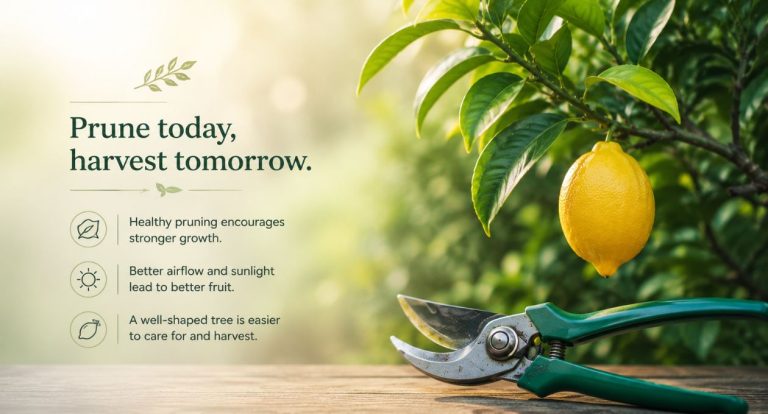
One way to ensure that the tree remains in good spirits is by regular pruning that helps keep the tree healthy, maintains a balanced shape, and creates the conditions for reliable fruit production.
If left unchecked, the tree branches can become overcrowded with less sunlight to parts that really need it, making the tree gradually become less productive.
If done too early or during the wrong season, the pruning will do more harm than good. This guide will help you understand what seasons should be the best times to prune your dainty plum tree.
Qualified arborists
Want It Pruned Properly?
Correct cuts, the right season, and the full clean-up included — without taking more off the tree than it needs.
Common Mistakes Made When Pruning Plum Trees
The first mistake is thinking of plums as apples or pears.
While a number of deciduous fruit trees are regularly pruned when they are dormant, pruning plum trees during winter puts them at risk of contracting diseases which would use any wound made from pruning in moist and cool weather as an entry point.
This becomes even easier for plums in the New Zealand weather because the winters are very wet.
The other mistake is leaving the pruning of plum trees until they are overgrown and then using the secateurs. Heavy pruning after years of neglect can remove too much of the tree’s productive wood in one go, resulting in unproductive growth.
The right way of pruning isn’t about cutting more, but doing it at the right time and with a clear purpose.
The Best Time to Prune Plum Trees in New Zealand
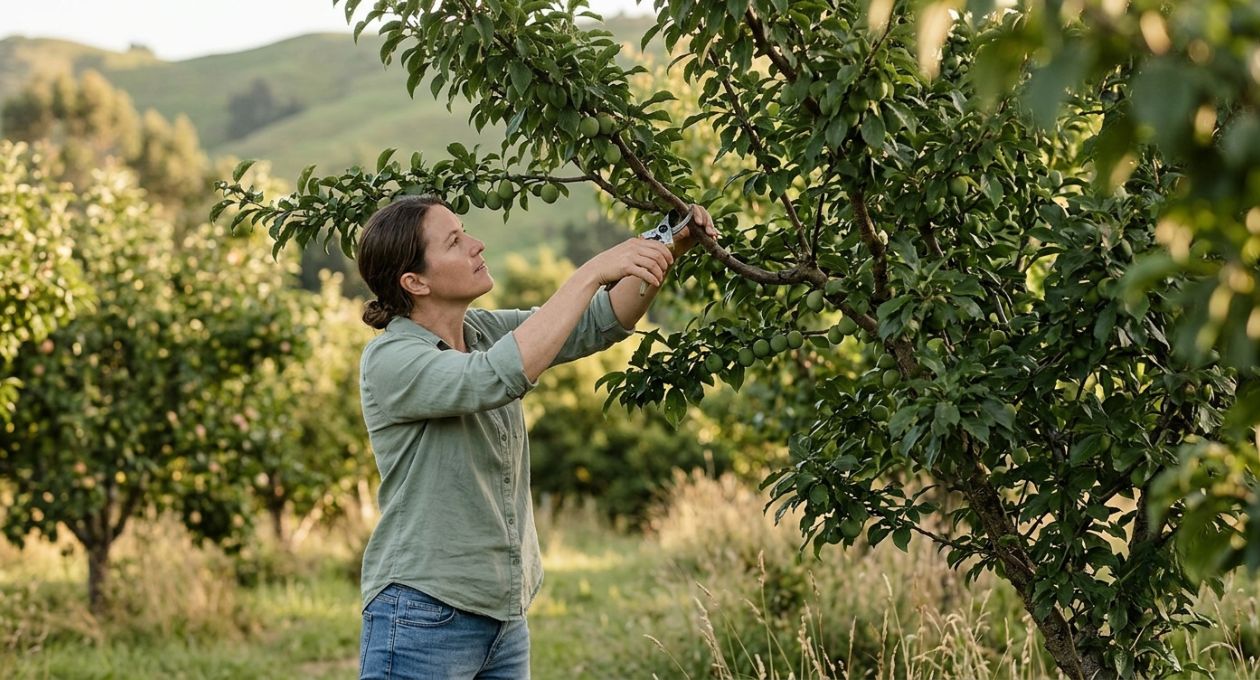
In most cases, plum trees in New Zealand are best pruned in late summer to early autumn once harvesting is complete.
By this point, the fruiting process will be over, and the warm weather is likely to encourage the pruning wounds to heal faster without allowing fungal diseases to enter into the tree. The period also allows the tree enough recovery time before the arrival of cold winter temperatures.
Pruning at this stage makes it easy to determine which branches are too crowded, which are growing in crossing positions, and which are not productive.While seasonal timing is similar across much of New Zealand, local climate conditions can influence when pruning should be carried out. If you’re looking for tree pruning Auckland services, it’s worth working with professionals who understand the region’s humid winters and can schedule pruning to minimise disease risks while keeping your plum trees healthy.
Sometimes, there are certain reasons why you should postpone pruning. These include young and newly established plum trees, those exhibiting symptoms of drought or those damaged by storms.
Qualified arborists
Want It Pruned Properly?
Correct cuts, the right season, and the full clean-up included — without taking more off the tree than it needs.
How to Prune Your Plum Without Killing it
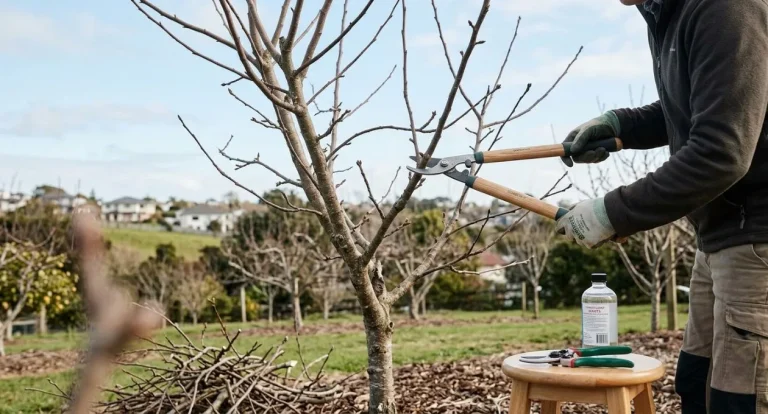
Firstly, cut off dead, diseased or damaged branches. They cannot be useful for your plant anymore and can serve as entrances for various pests and diseases.
Secondly, look for crossing or rubbing branches. The friction between them causes wounds and increases the vulnerability of the tree to pests and diseases.
After these branches are cut off, thin out overly thick branches. In this way, you provide enough air and sun for the interior of the tree.
The last thing you should do is trim some branches to shape your tree. Try to keep it balanced and do not prune too much as this can cause serious trouble for your tree.
Make sure the tools you use are sharp and clean.
Pruning Your Plum Tree at the Wrong Time
Timely pruning directly affects the speed of plum tree recovery.
Pruning under cold, wet conditions makes fungal infection more likely to take place through the fresh cuts. Improper timing can also impair blooming, reduce fruiting, and delay tree recovery.
Excessive pruning before the start of spring budding can lead to development of several foliage shoots and reduced blooming and fruiting, and heavy pruning in hot periods is likely to cause burnout from the sun of shaded previously branches.
The best condition of a plum tree is when it gets pruned during the time of fast recuperation and growth.
Prune for Next Year’s Fruit, Not Just This Year’s Shape
Plum trees that are most healthy are not those that have had the most pruning; they are those that have been pruned consistently.
Annual maintenance will prevent overcrowding, increase air flow, enable regular fruit bearing, and lessen the amount of corrective pruning needed later on. It also ensures that each pruning is quick, easy, and much less stressful for the tree.
Unsure about pruning your plum tree yourself? Professional arborists in Auckland can assess the health, structure, and growth of your tree before making precise cuts that encourage healthy growth and reliable fruit production. Give us a call for a free on-site visit, and we’ll guide you on what needs to be done and when.